Precision Micros
Precision Micros
Precision Micros
In the rapidly changing industrial automation landscape, high-precision micro-motion drives act as the critical musculature of modern technology. From robotic end-effectors and diagnostic medical devices to intelligent automotive security actuators, the global demand for compact, efficient, and robust electric drives has grown significantly.
As a leading hub for global electronic manufacturing, China's wholesale servo and micro-motor sector has evolved. It has transitioned from a focus on cost-efficient replication to a position of pioneering engineering design. High-precision manufacturing requires tight tolerances, advanced magnetic flux optimization, and material reliability. By utilizing specialized electromagnetic designs, China’s modern factories are producing micro drives that rival high-end European and Japanese alternatives. These drives deliver exceptional dynamic performance while keeping procurement and integration costs highly competitive.
Inside a premium robotic joint, an automated medical valve, or a high-end smart lock, space is the ultimate luxury. At Precision Micros, we measure our manufacturing success in micrometers and decibels. Our mission is to take advanced, heavy-duty rotational power and compress it into the most compact, energy-efficient footprints imaginable.
Our expertise lies in the micro-details of motion control. From precision-wound copper rotors and high-purity commutators to zero-backlash planetary gear trains, every single internal component of a Precision Micros motor is optimized to eliminate friction and maximize heat dissipation. By combining advanced automated Swiss-style hobbing with Japanese dynamic balancing, we ensure our micro drives deliver the fluid, whispering-quiet power your brand promises. When your next high-tech innovation relies on repeated mechanical perfection, let Precision Micros be the core that spins it forward.
This pursuit of structural optimization has led us to develop proprietary slot-fill patterns for stator winding. This significantly increases copper density within the armature slot, allowing our motors to run cooler and generate higher magnetic flux densities. The result is a substantial improvement in torque-to-volume ratio. This performance boost is crucial for medical devices like surgical drills and micro-infusion pumps, where thermal accumulation can compromise system performance.
Selecting the ideal motor topology is critical to the success of an automated project. Engineers must navigate trade-offs between speed, torque, life expectancy, control complexity, and cost. Below, we break down the primary configurations:
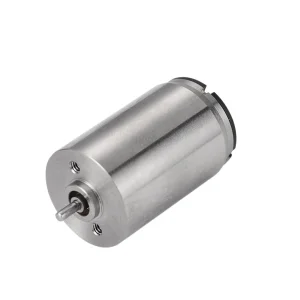
Featuring a self-supporting, skew-wound ironless coil, coreless motors boast a rotor structure with exceptionally low inertia. This design eliminates cogging torque, offering smooth rotation and precise dynamic control. This makes them ideal for applications requiring quick acceleration and deceleration, such as miniature surgical tools and high-precision stabilization systems.
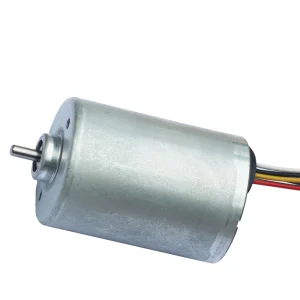
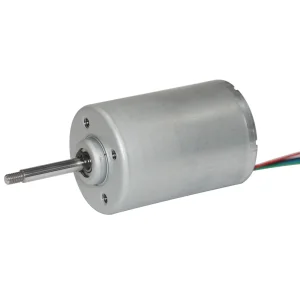
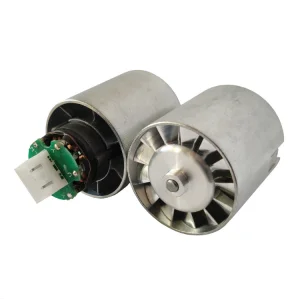
By replacing mechanical brushes and commutators with an electronic driver system, BLDC motors offer long service lives, high thermal efficiency, and high rotational speeds. This makes them suitable for continuous-duty applications like high-velocity centrifuges, cooling fans, and premium hair dryer blowers.
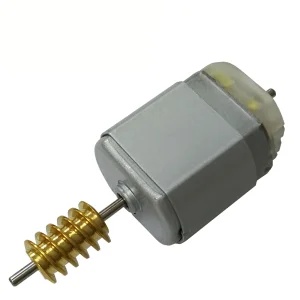
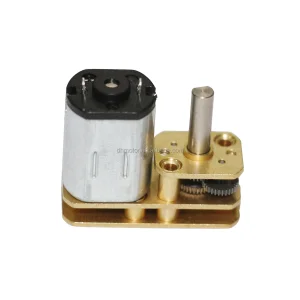
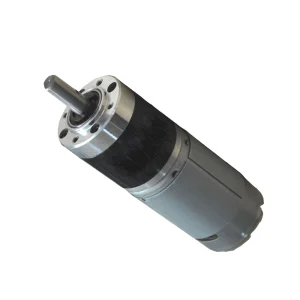
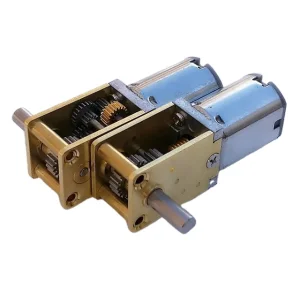
Designed to match low-speed, high-torque industrial demands, these systems integrate specialized gear reduction stages directly onto the motor. Planetary gearboxes offer high power transmission density and low backlash. Worm gearboxes provide self-locking safety features and right-angle outputs, making them suitable for space-constrained automotive actuators.
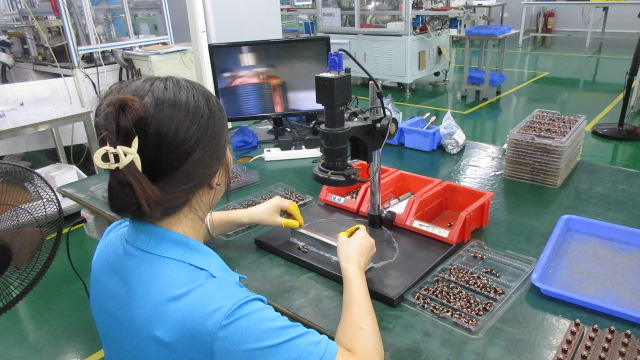
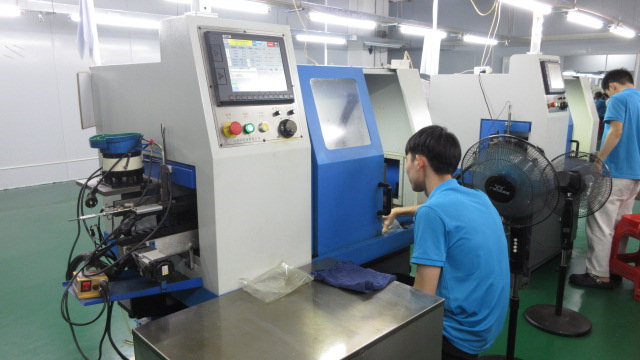
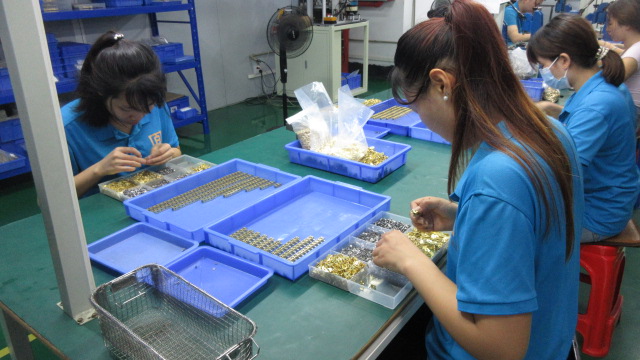
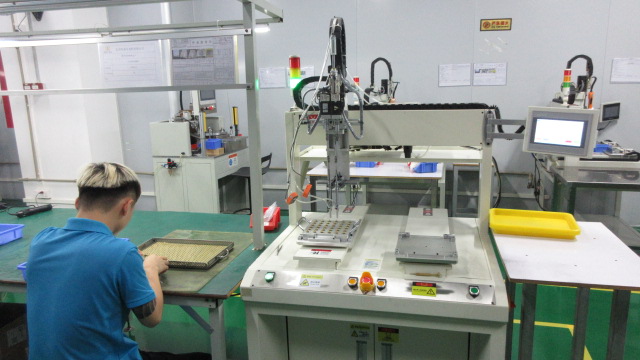
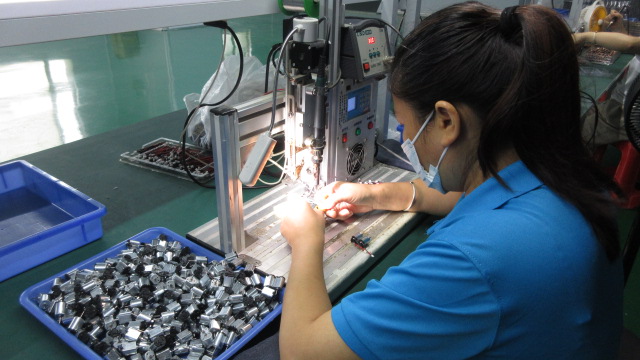
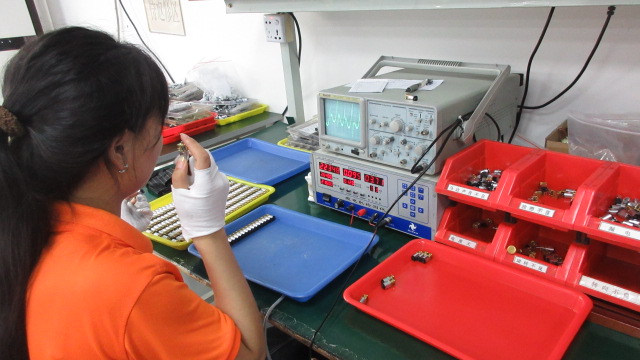
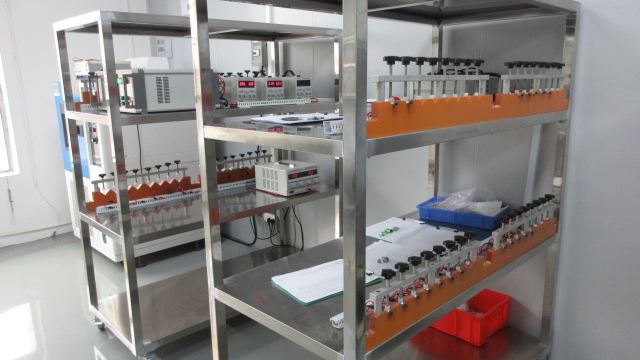
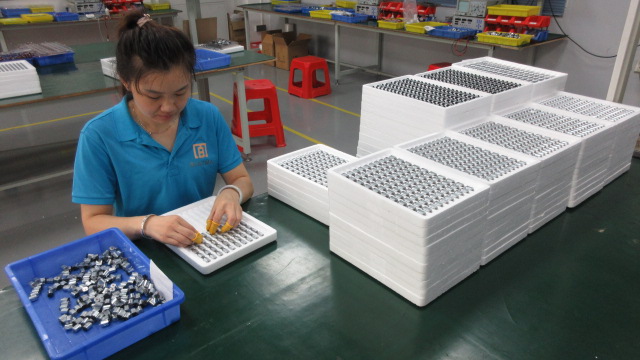
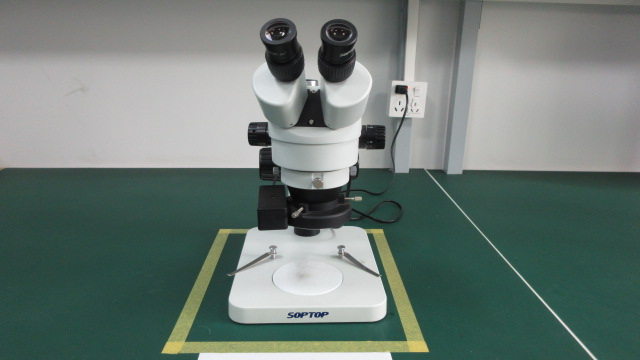
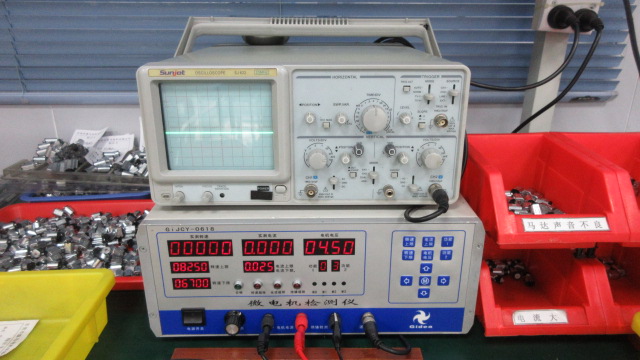
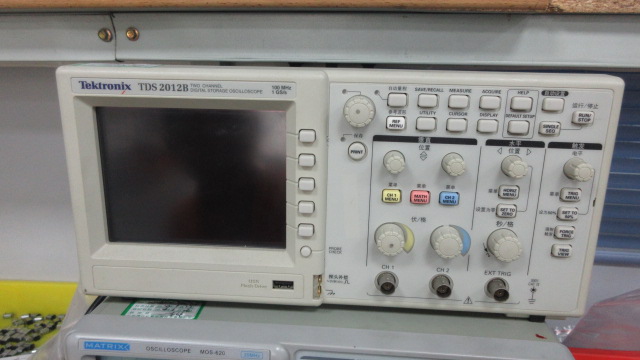
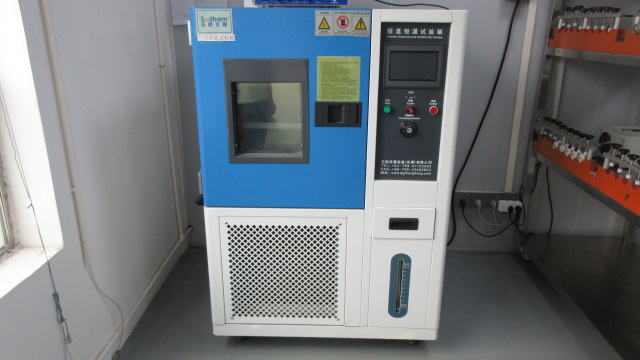
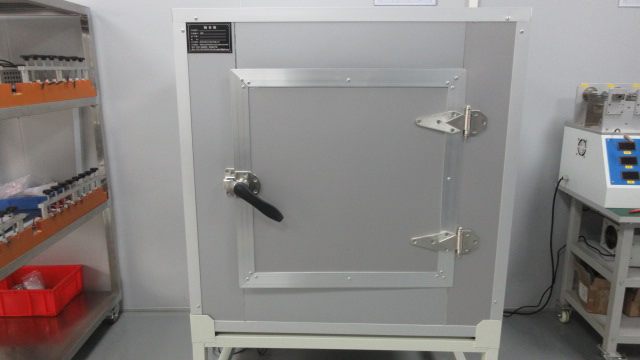
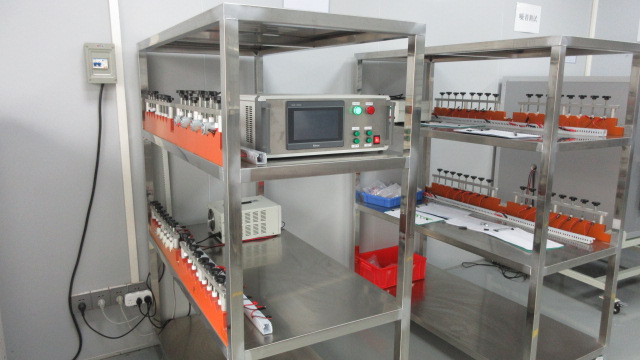
Achieving reliable precision at scale requires substantial investment in advanced manufacturing and testing infrastructure. Our production floor integrates automated assembly systems, specialized winding stations, and multiple quality assurance check points. The section below showcases our factory machinery and verification processes, detailing how we maintain low variation across every production run:
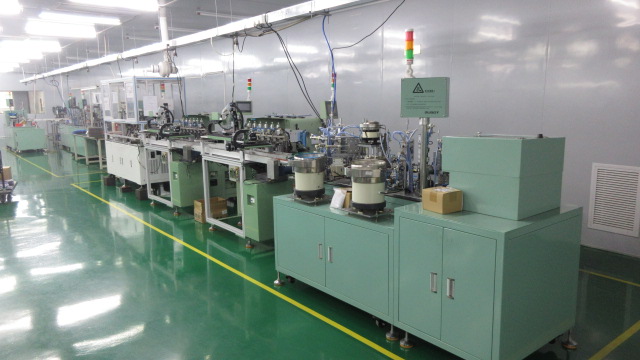
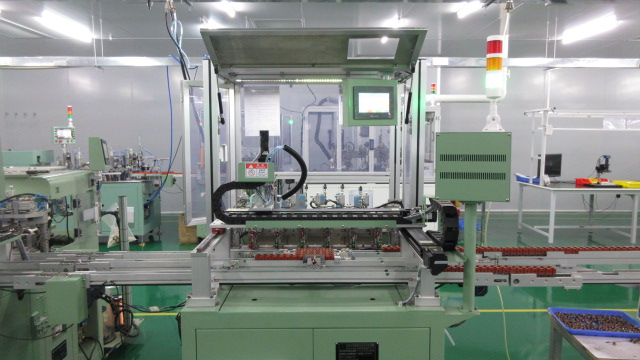
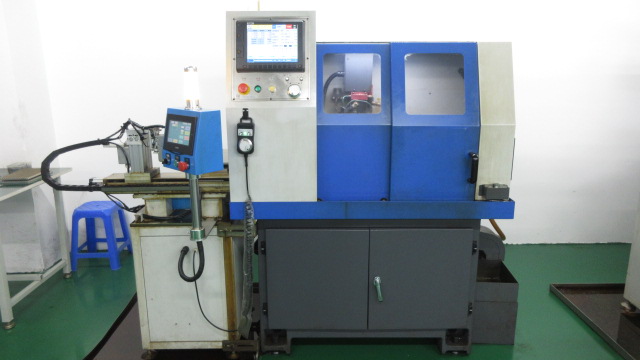
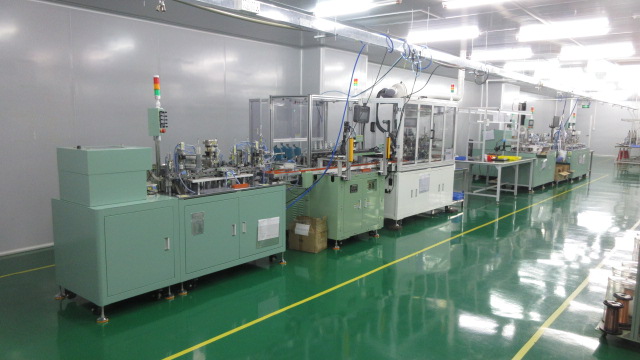
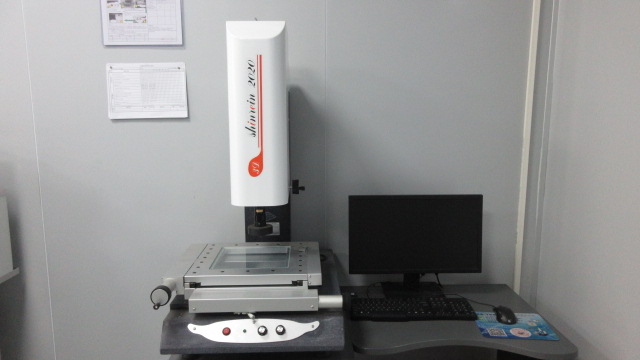
Precision micro-motion systems are designed for specific operational scenarios. By understanding the mechanical stresses, environmental conditions, and runtime duties of each application, we customize the internal motor architecture to optimize reliability and efficiency:
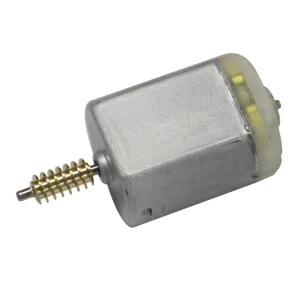
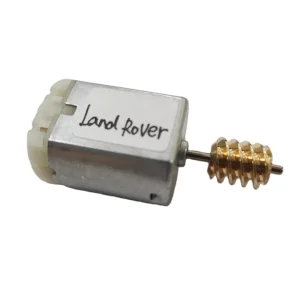
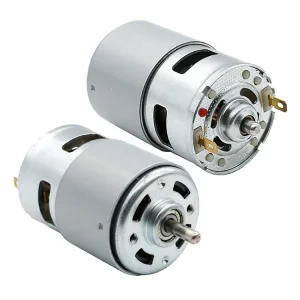
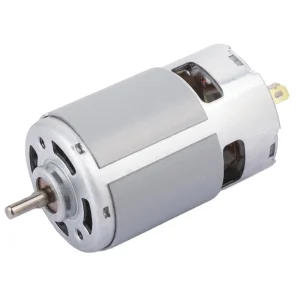
Modern automobiles use dozens of micro electric actuators for functions like door locks, mirror adjustments, and electronic steering blocks. These components must withstand wide temperature swings (-40°C to +80°C) and constant vibration. Motors like the FC280 and 20150 FC-280SC use carbon-brush commutation, protective zinc-coated casings, and high-strength engineering plastic casings to ensure long-term, reliable operation.
In medical fluid systems and micro-dosing pumps, consistent performance and low electromagnetic interference (EMI) are critical requirements. Coreless brushless motors provide smooth, steady torque without the cogging issues of traditional iron-core designs. When combined with specialized gearheads, these motors deliver reliable power and precise control, ensuring consistent dosing inside active patient infusion systems.
Industrial automation demands durable components capable of continuous operation under varying loads. Multi-stage planetary gear systems, such as the DPG36-555 series, distribute load pressure across multiple gear contact points. This design reduces gear wear and backlash, extending the operational life of robotic joints, automated packaging systems, and material handling conveyors.
Sourcing wholesale motors from China requires verification of international safety and environmental standards. Our facilities operate under strict quality management frameworks to ensure every motor meets global regulatory and reliability benchmarks:
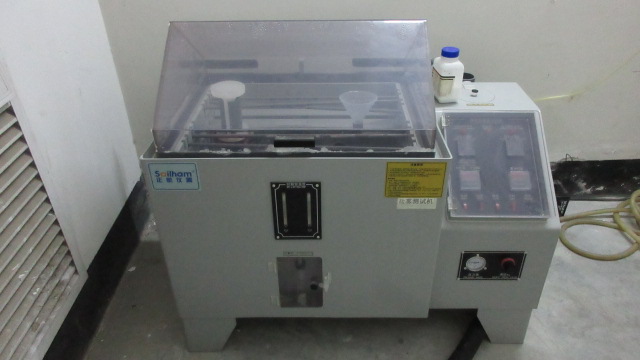
All product designs undergo rigorous environmental testing in our specialized test chambers. Our Salt Spray Chambers test the corrosion resistance of metal casings for marine and high-humidity environments. Constant Temperature and Humidity Chambers simulate extreme operational settings to verify insulation stability and lubricant integrity. Through Life Aging Testing, we run motors under load for thousands of continuous cycles. This allows us to track brush wear, stator heat buildup, and overall mechanical wear, helping us establish reliable MTBF values for our customers.
Furthermore, our manufacturing processes comply with the RoHS (Restriction of Hazardous Substances) directive and the REACH regulation. This guarantees that all components—ranging from copper wiring insulation to rotor balancing epoxies—are free from hazardous chemicals, facilitating smooth import customs clearance into North American, European Union, and Asia-Pacific markets.
The future of micro-motion technology is focused on increasing power density and improving integration with smart controls. Key development trends include: