Precision Micros
Precision Micros
Precision Micros
Engineered to deliver exceptional power densities, dynamic responses, and structural reliability for global applications.
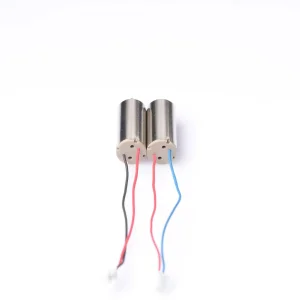
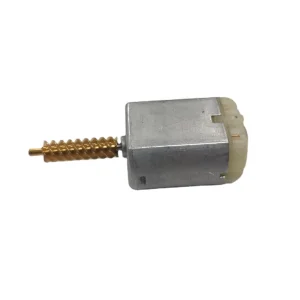
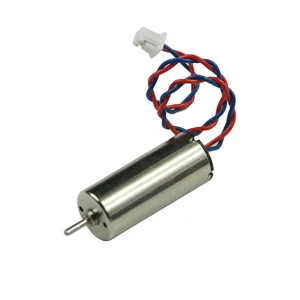
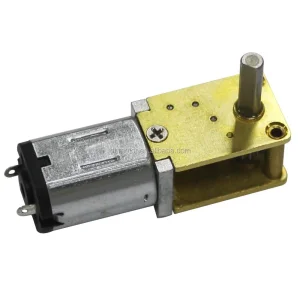
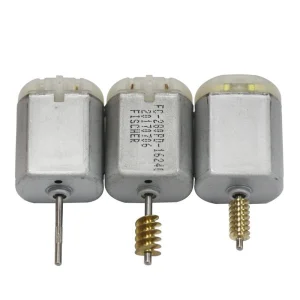
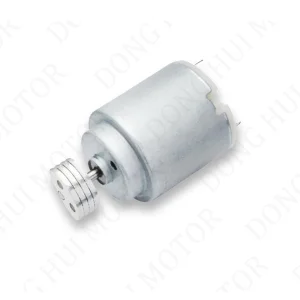
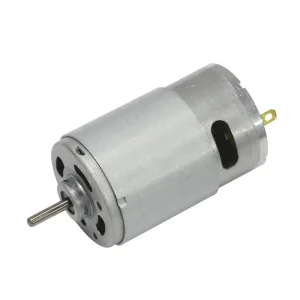
Optimizing mechanical limits down to micro-levels to power automation and precision systems worldwide.
Inside a premium robotic joint, an automated medical valve, or a high-end smart lock, space is the ultimate luxury. At Precision Micros, we measure our manufacturing success in micrometers and decibels. Our mission is to take advanced, heavy-duty rotational power and compress it into the most compact, energy-efficient footprints imaginable.
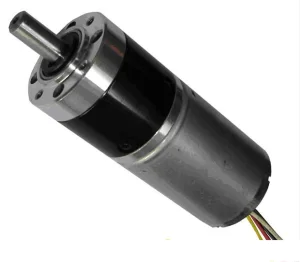
Our expertise lies in the micro-details of motion control. From precision-wound copper rotors and high-purity commutators to zero-backlash planetary gear trains, every single internal component of a Precision Micros motor is optimized to eliminate friction and maximize heat dissipation. By combining advanced automated Swiss-style hobbing with Japanese dynamic balancing, we ensure our micro drives deliver the fluid, whispering-quiet power your brand promises. When your next high-tech innovation relies on repeated mechanical perfection, let Precision Micros be the core that spins it forward.
"True precision is not just about raw output; it is the mathematical refinement of rotational forces under constraints of space, thermal limits, and acoustic resonance." — Lead Motion Architect, Precision Micros
A comprehensive analysis of manufacturing dynamics, modern driver topologies, and industrial applications of stepper and micro-drive systems.
The industrial automation landscape is shifting rapidly. With the rise of Industry 4.0, smart manufacturing, and IoT, the demand for precise motion control has escalated. Stepper drives—electronic devices that control the current fed to stepper motors to dictate precise step increments—are no longer just simple pulse controllers. They have evolved into highly complex network-integrated processors capable of microstepping, Field Oriented Control (FOC), and real-time ethernet communications.
China has solidified its position as the global powerhouse for stepper drive and micro-motor production. With regions such as Shenzhen (Guangdong), Changzhou (Jiangsu), and Ningbo (Zhejiang) leading the charge, Chinese factories leverage dense supply chains, specialized engineering talent, and automated surface-mount technology (SMT) lines to provide global companies with highly scalable OEM and ODM services. These facilities do not just compete on cost; they compete on engineering innovation, material sciences, and quality assurance processes certified to international standards such as ISO9001 and IATF16949.
To implement high-performance motion profiles, designers must decide between open-loop control, closed-loop control, and advanced vector control topologies. Below is a comparison table outlining key engineering metrics:
| Metric / Parameter | Standard Open-Loop Stepper | Closed-Loop Stepper (Hybrid Servo) | Vector-Controlled (FOC) Drive |
|---|---|---|---|
| Position Tracking | No feedback; vulnerable to stall/step loss | Encoder feedback actively corrects error | High-speed encoder/resolver vector control |
| Thermal Performance | Runs hot; constant current supplied | Adaptive current depending on load demands | Dynamic vector current control (extremely cool) |
| Acoustic Resonance | Significant mid-range resonance issues | Damped resonance via digital filtering | Near-silent operation via sinusoidal drive |
| Response Latency | Predictable; depends on pulse frequency | Low latency corrections (milliseconds) | Real-time adjustment matching servo levels |
Modern stepper drive topologies focus on sub-stepping or *microstepping*. A standard 1.8-degree hybrid stepper motor can be divided into 256 microsteps per full step, yielding 51,200 steps per revolution. This resolution reduces mechanical vibrations at low speeds and prevents the resonance frequencies that typically plague stepper motors. To achieve this, China stepper drive factories integrate high-efficiency MOSFET or IGBT power stages, coupled with dedicated digital signal processors (DSPs) that dynamically adjust coil phase currents.
Implementing active current scaling based on real-time mechanical torque requirements, reducing heat dissipation up to 45%.
Transitioning from traditional Pulse/Dir signals to robust serial protocols like EtherCAT, CANopen, and Profinet for multi-axis systems.
Leveraging onboard mathematical models of motor characteristics to diagnose torque fluctuations and mechanical fatigue on the fly.
Different application verticals require dedicated drive configurations. In medical laboratory automation, low vibration and silent operation are critical. If a stepper motor controlling a blood separator or pipette array experiences heavy resonance, it can ruin biological samples or lead to incorrect sensor readings. Drives configured with sinusoidal current waveforms and high microstep resolutions prevent these issues.
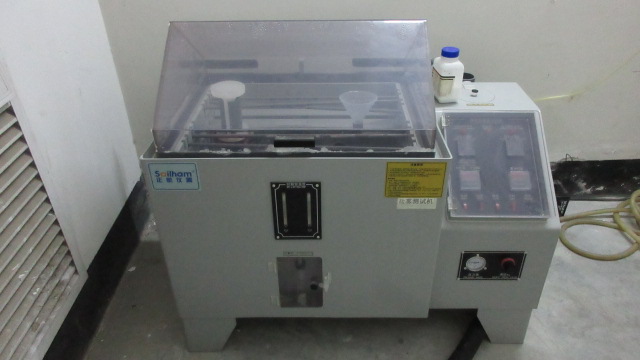
In contrast, semiconductor manufacturing equipment (such as die bonders and pick-and-place systems) prioritizes acceleration and high positioning repeatability. Here, hybrid closed-loop drives are preferred. By continuously comparing encoder feedback against targeted step steps, the drive can immediately eliminate positional lag during fast acceleration cycles. Additionally, automotive systems like electronic lock mechanisms rely on micro dc and vibration drives, requiring robust automotive-grade electronics capable of operating in wide temperature ranges (-40°C to +85°C) and passing strict salt spray tests to ensure corrosion resistance.
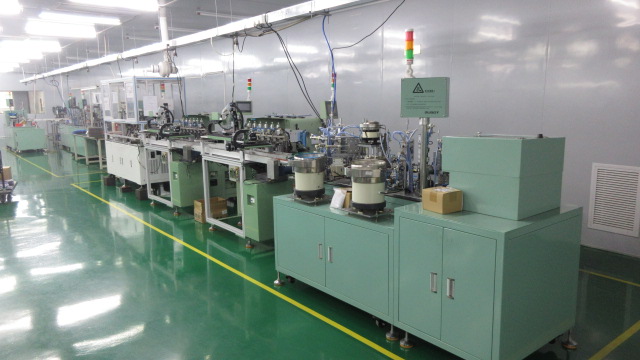
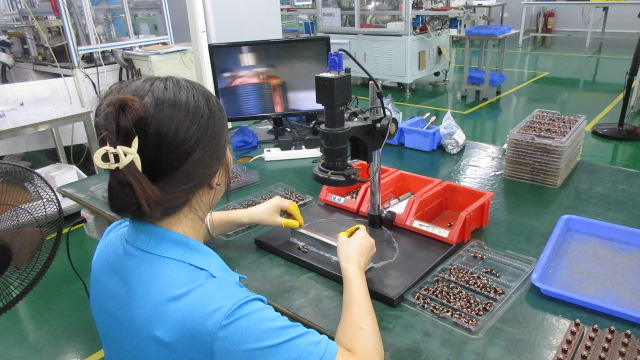
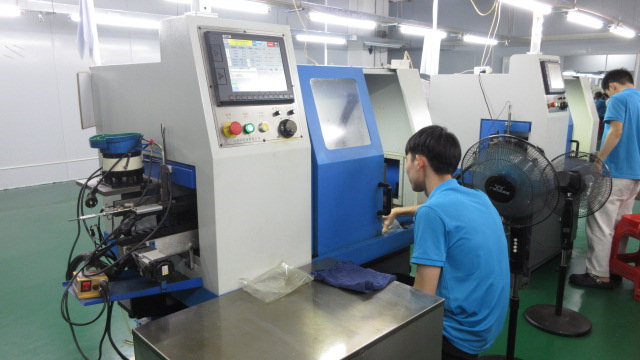
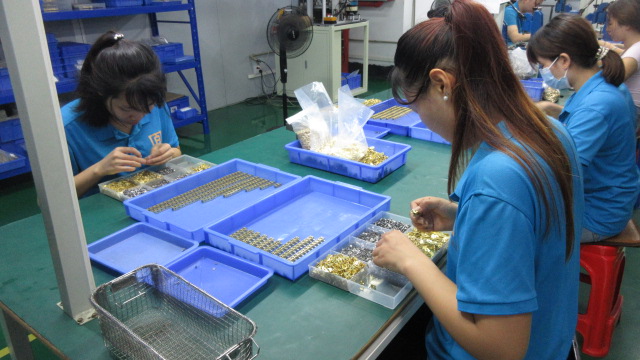
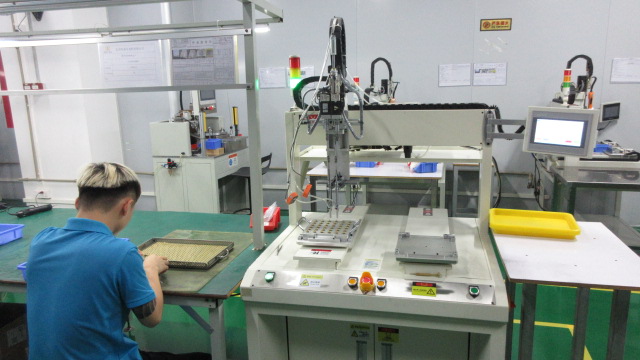
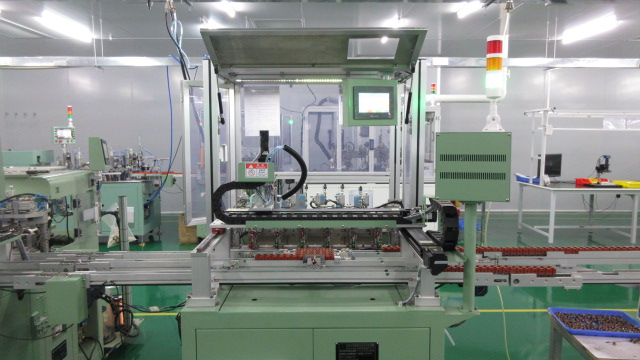
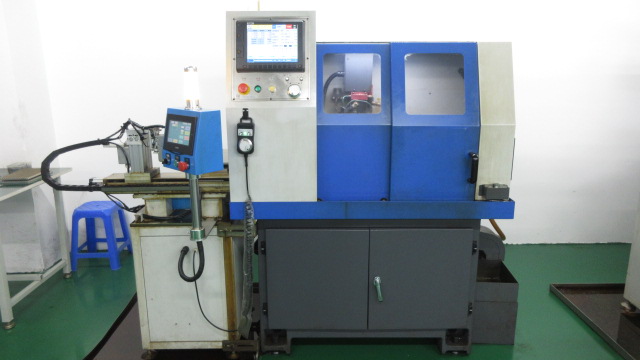
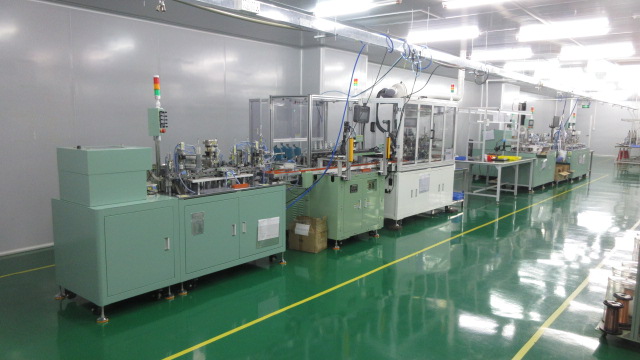
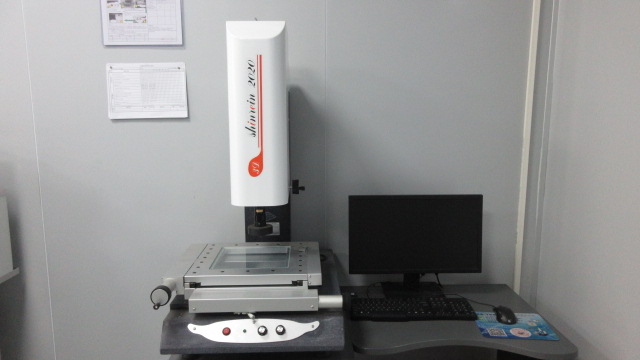
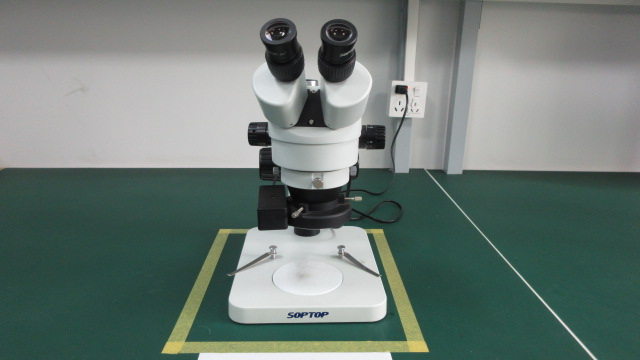
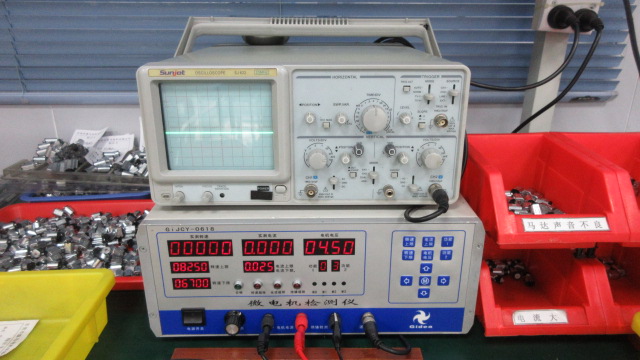
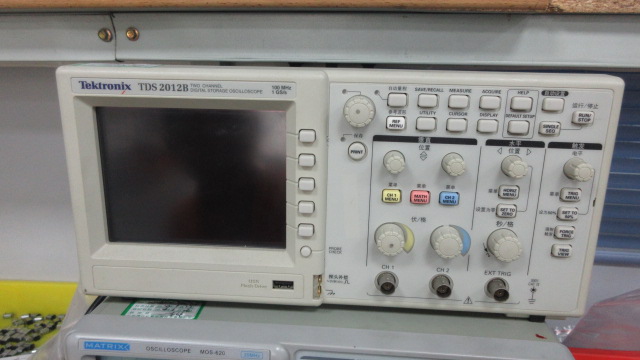
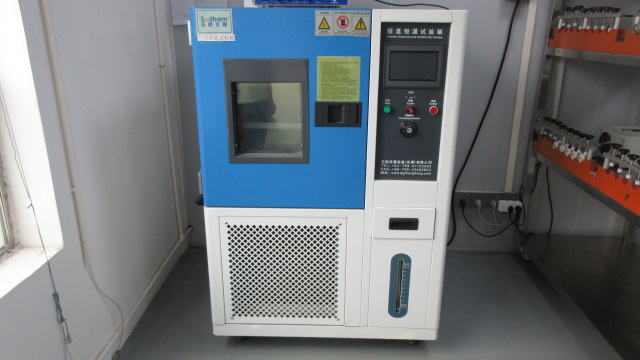
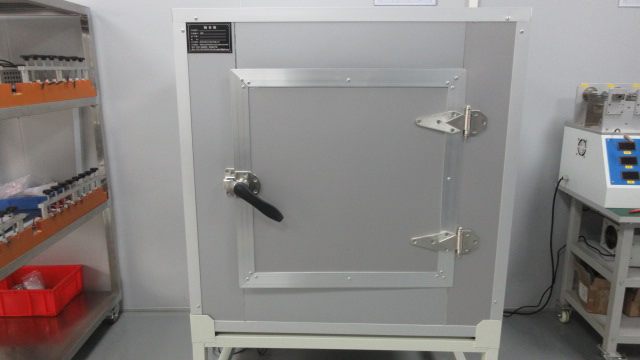
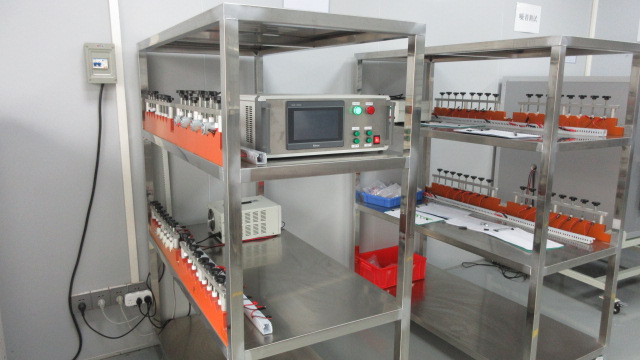
A closer look at our specialized manufacturing facilities, from automated winding to precision metrology and environmental stress screening.
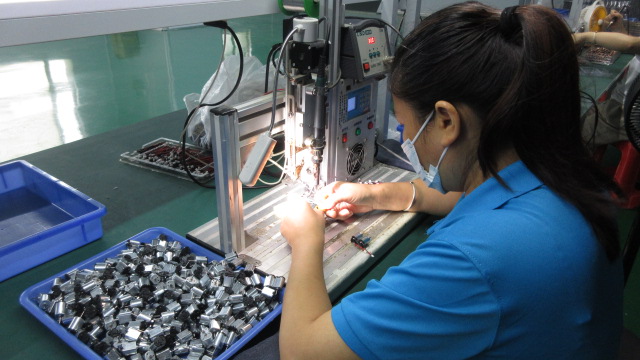
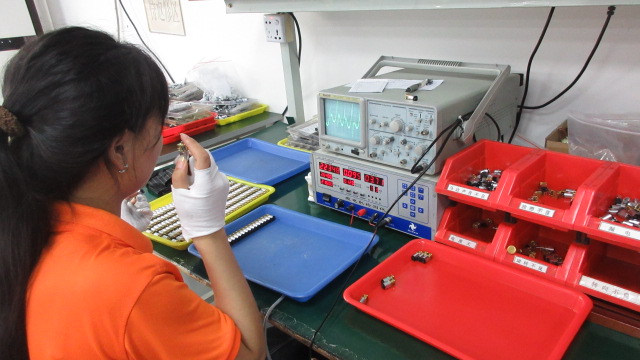
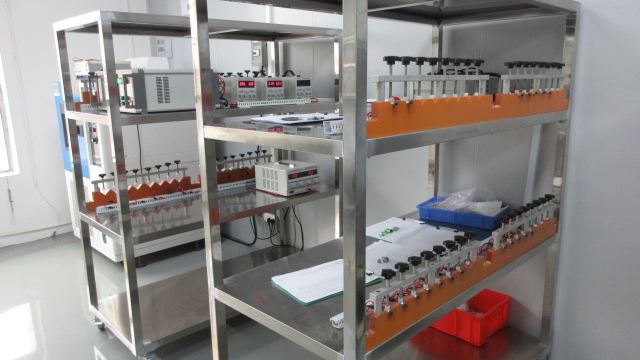
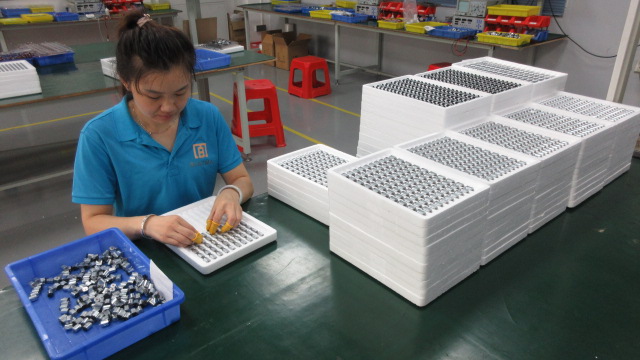
Expert insights addressing key performance challenges, interface setups, and procurement strategies.
For medical applications demanding low acoustic noise and vibration, we suggest using a minimum resolution of 64 or 128 microsteps (equivalent to 12,800 or 25,600 steps per revolution). Utilizing drives equipped with sinusoidal current control and automatic resonance damping algorithms will further reduce phase transitions and eliminate resonance spikes.
Closed-loop drives monitor motor position using rotary encoder feedback. In case of unexpected loads, the drive adjusts the phase currents dynamically to correct positioning errors, eliminating the risk of lost steps. They also consume less current, run cooler, and provide higher peak torque compared to open-loop setups.
Qualified manufacturers maintain testing labs featuring coordinate measuring machines (CMM), salt spray test chambers, oscilloscopes, and thermal humidity chambers. These tools allow for validation against international standards, including CE, RoHS, FCC, and UL, ensuring reliable performance in harsh industrial environments.
For complex multi-axis motion control, fieldbus systems like EtherCAT, CANopen, and Modbus/TCP are standard. EtherCAT provides sub-millisecond refresh rates, which is ideal for real-time applications like pick-and-place robots or CNC machines, while CANopen offers a reliable and cost-effective solution for industrial automation.
To control EMI, we recommend using shielded twisted-pair cables for motor connections and encoder signals. Keep the drive control and high-voltage power cables separate, use proper grounding techniques (such as star grounds), and add ferrite cores to the input supply lines if needed.
Broadening engineering capabilities with custom brushless, planetary gear, and micro coreless architectures.