Precision Micros
Precision Micros
Precision Micros
Engineered for high power density, dynamic torque profiles, and micro-space positioning capabilities.
Production Qualification Rate
Annual Return Rate (RMA)
Global Patents Filed
Technical & Engineering Support
In modern robotics, the motor functions not simply as a source of kinetic power, but as the foundational element of mechanical agency. From multi-axis collaborative manipulators to surgical end-effectors, the requirements placed on motor performance have moved beyond simple rotation to encompass sub-millisecond transient response, zero-backlash torque transmission, and optimal thermodynamic stability.
This comprehensive industry analysis evaluates the primary structural shifts in micro-motor manufacturing, focusing on how leading developers integrate proprietary electromagnetic designs and automated manufacturing technologies to meet the demands of modern automation markets.
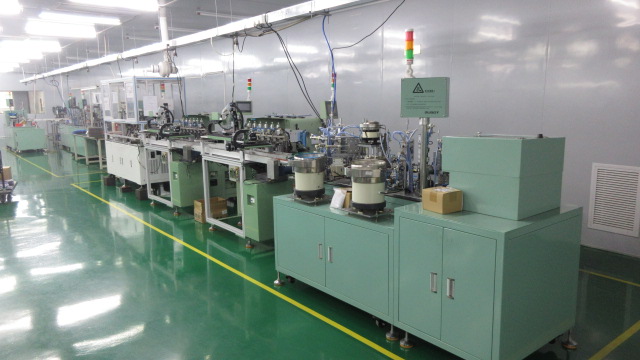
Deep-dive into the manufacturing standards, Swiss-precision hobbing, and automated balance systems of a premier actuator pioneer.
Inside a premium robotic joint, an automated medical valve, or a high-end smart lock, space is the ultimate luxury. At Precision Micros, success is measured in micrometers and decibels. The company's engineering objective is to take advanced, heavy-duty rotational power and compress it into the most compact, energy-efficient footprints imaginable.
The core capability of Precision Micros lies in the micro-details of motion control. From precision-wound copper rotors and high-purity commutators to zero-backlash planetary gear trains, every single internal component of a Precision Micros motor is designed to eliminate friction and maximize heat dissipation. By combining advanced automated Swiss-style hobbing with Japanese dynamic balancing, we ensure our micro drives deliver fluid, low-noise power. When your next mechanical innovation relies on repeatable precision, let Precision Micros be the core that drives it forward.
A analytical breakdown of the world's leading brands driving advancement in high-performance robotic drives.
Specializes in ironless windings and high-precision drive systems. Their planetary gearheads and BLDC configurations serve as a key choice for demanding space missions and high-precision medical applications.
Known for miniature drive systems and slotless rotor designs. Faulhaber provides micro-drive options for medical device engineering, lab automation, and micro-robotics.
Innovators in coreless brush DC and brushless slotless motor designs. Focuses heavily on surgical handheld instruments and high-speed clinical lab systems demanding high efficiency.
Develops motion control solutions targeted at medical, aerospace, and commercial vehicle applications. Offers frameless and integrated brushless motor solutions.
A large manufacturer covering everything from precision spindle motors to high-torque industrial platforms. Currently expanding footprints in collaborative robot joint drives.
A supplier of servo motors and actuators for aerospace, defense, and industrial automation where fail-safe control systems are critical.
A pioneer in direct-drive rotary motor designs and frameless motor configurations. Their systems provide high torque density for industrial robotic arms and AGV traction systems.
Known for its Sigma series servo motors, Yaskawa is a primary driver in heavy-duty articulated welding robots and assembly line automation systems.
A cost-efficiency and high-volume manufacturer focusing on micro-coreless configurations, miniature gearboxes, and custom vibration systems with cleanroom micro-assembly lines.
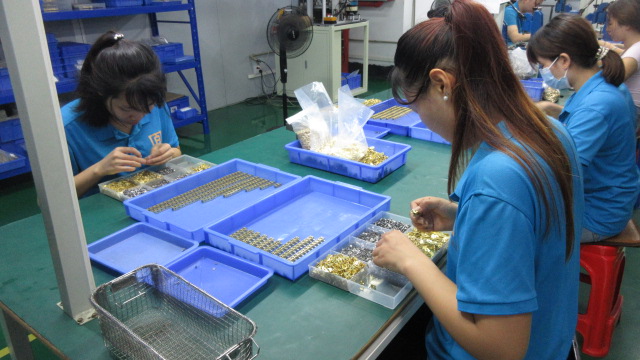
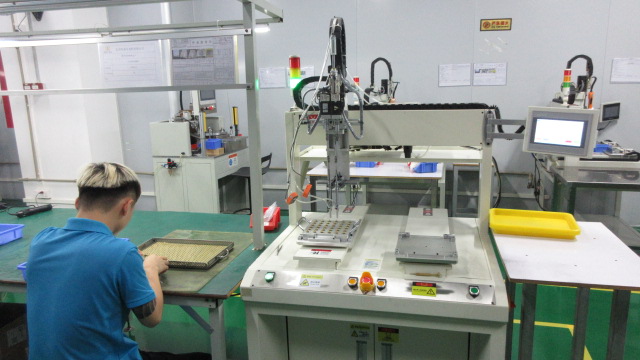
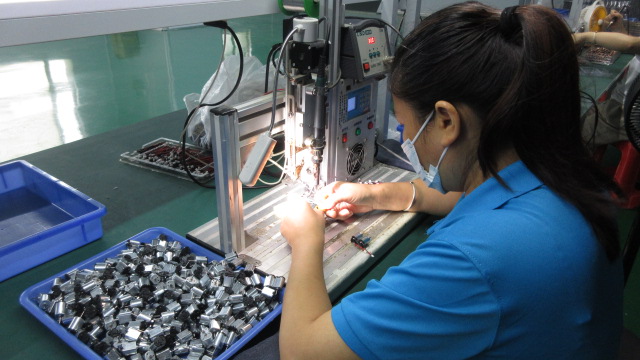
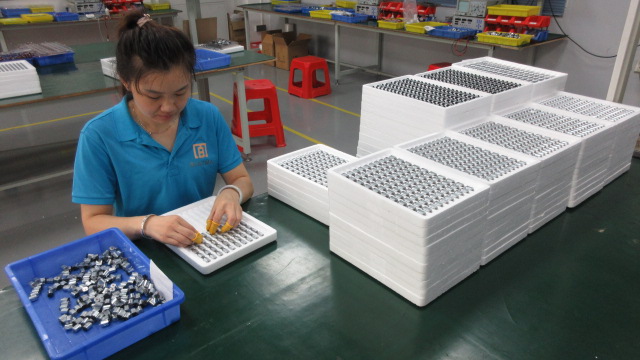
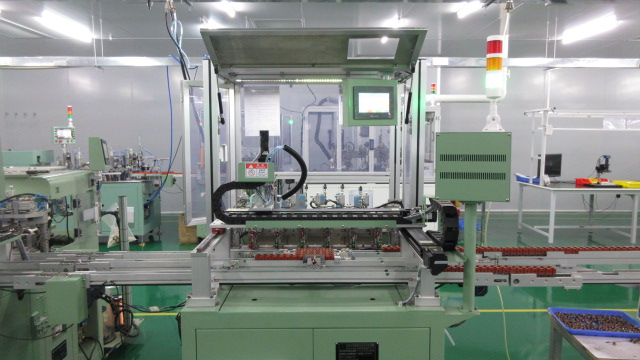
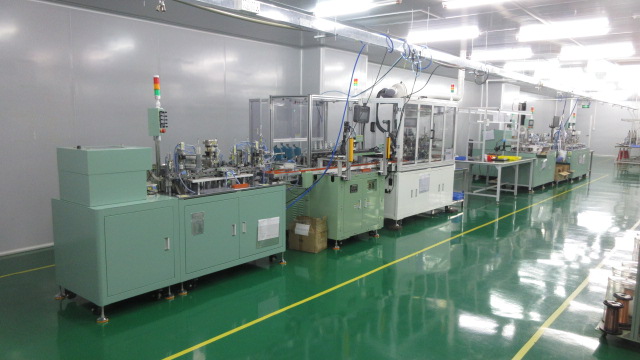
Modern micro-motor manufacturing requires balancing geometric accuracy with cost efficiency. The production facility at Precision Micros leverages automated assembly systems to maintain low dimensional variation across high-volume production runs.
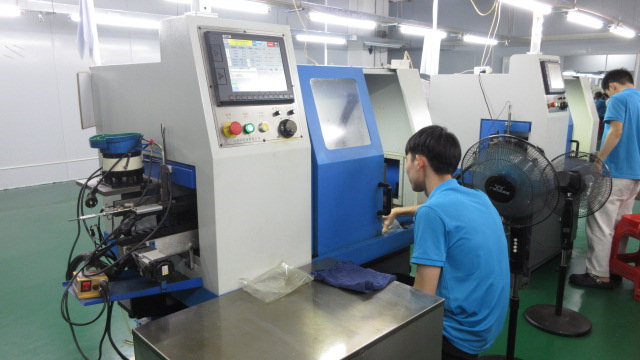
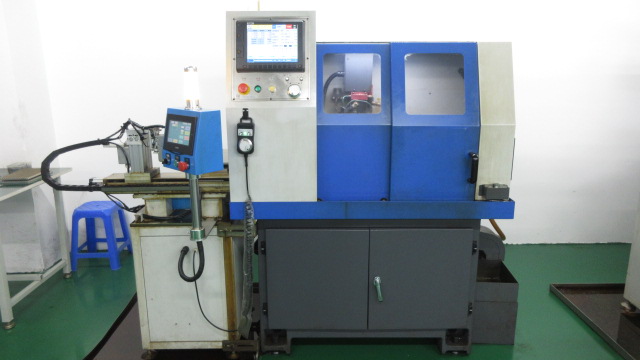
By using automated CNC coil winding machinery and computer-assisted gear hobbing, we minimize mechanical tolerances. This localized supply chain design helps stabilize component lead times and mitigates international logistics risks for our global partners.
Key technological shifts driving the next generation of robotic and automation components.
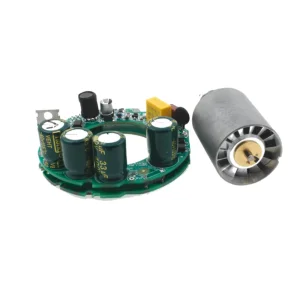
The industry is moving toward integrating driver electronics directly into the motor housing. This simplifies wiring, reduces electromagnetic interference (EMI), and allows for real-time thermal monitoring.
To address cogging torque in precision applications, slotless and coreless configurations are increasingly used to provide smoother rotation and quieter operation.
By incorporating dysprosium-free, high-remanence Neodymium (NdFeB) alloys, modern motors achieve greater torque density without increasing physical dimensions.
Adapting high-performance micro-motion technology for specialized industrial applications.
Providing sterilized, low-backlash drives designed for surgical robotics and laboratory fluid handling systems requiring cleanroom-grade compliance.
Supplying durable drive gearmotors for autonomous mobile robots (AMRs) and automated sorting systems operating under continuous duty cycles.
Delivering low-noise, compact motor configurations for intelligent lock mechanisms, home appliances, and small personal care devices.
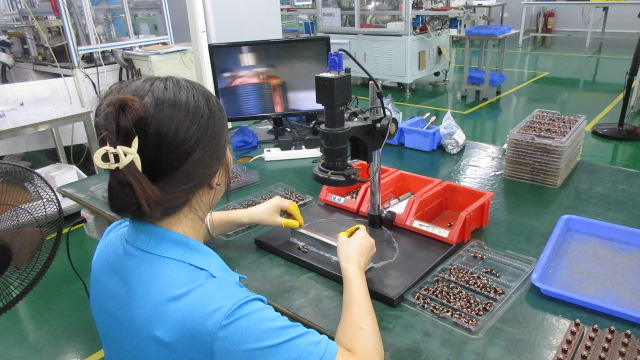
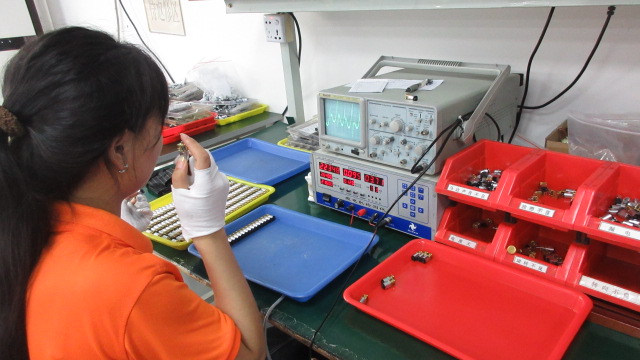
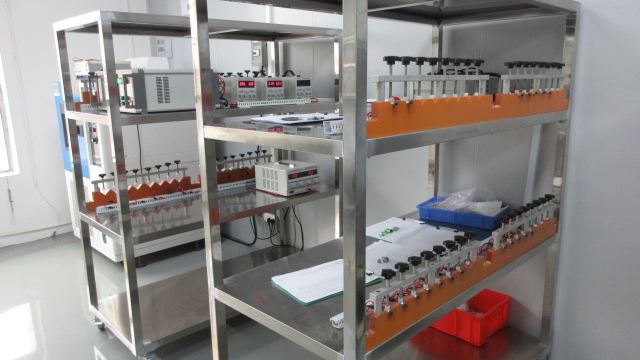
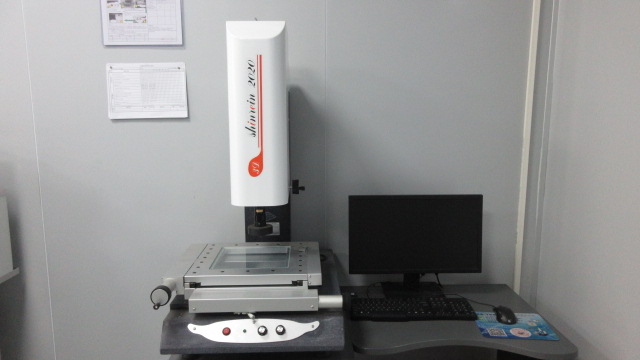
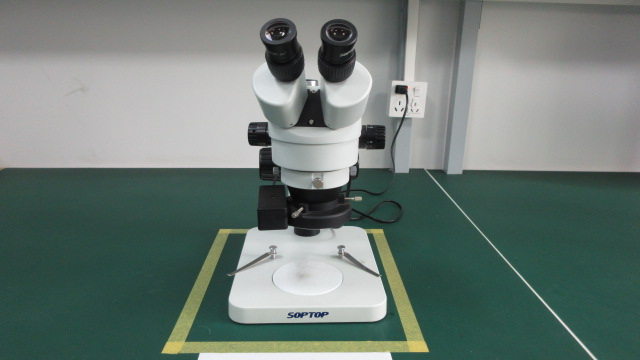
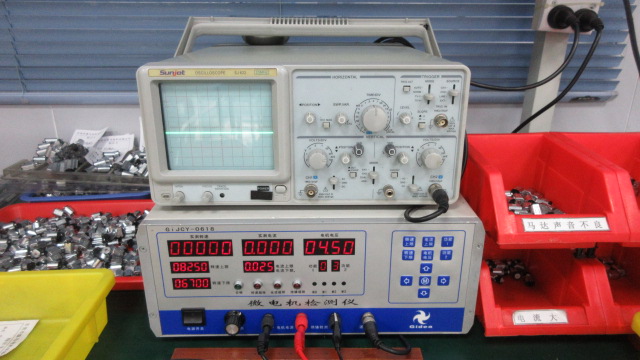
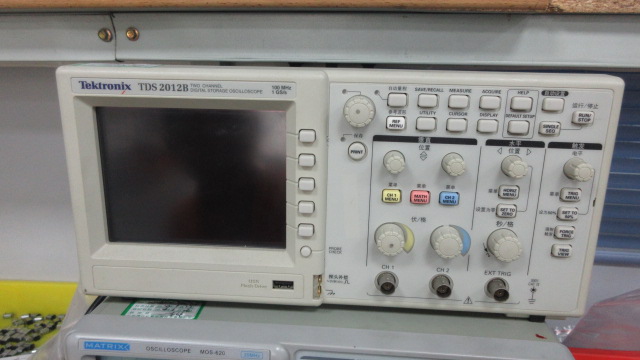
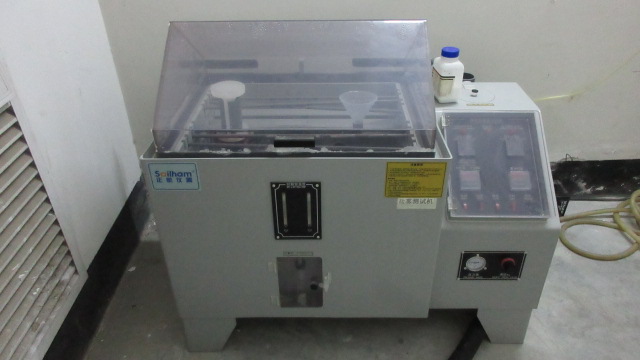
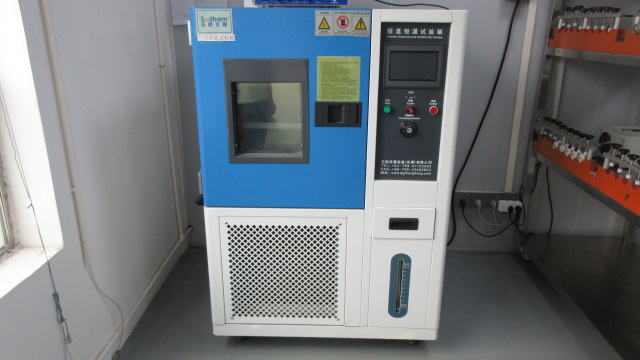
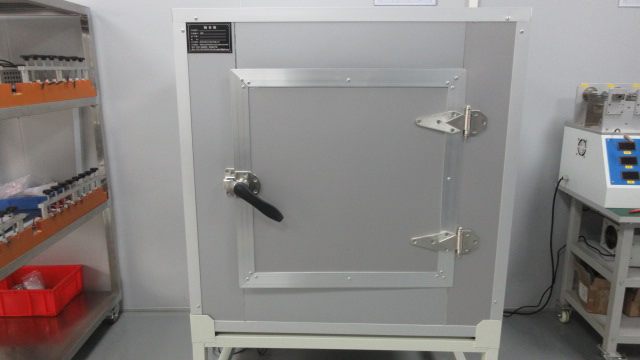
Our quality control program utilizes advanced measuring tools, including coordinate measuring machines (CMMs) and salt spray testing chambers. These procedures help verify that every production lot meets the design specifications before shipment.
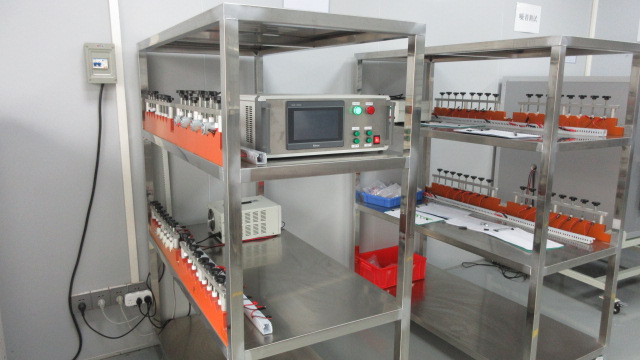
Each unit undergoes diagnostic testing for torque constant, winding resistance, and insulation integrity. This structured inspection approach supports reliable operation in demanding field environments.
Key information regarding specification, compliance, customization, and lead times.
Explore our industrial-grade components, automotive locks, and heavy-duty brushed micro motor systems.