Precision Micros
In the evolving landscape of automation, the demand for DC motors is surging. Industry expert Dr. Emily Carter, a recognized authority in motor technology, emphasizes, “DC motors are the backbone of modern robotics.” This statement highlights the importance of DC motors in various applications, from automotive to aerospace.
As we approach 2026, global buyers are seeking the most reliable and efficient DC motors. Market choices can be overwhelming. Each motor has unique features that cater to specific needs. Understanding these differences is crucial for making informed decisions. Selecting the right motor can enhance performance and efficiency.
However, not all DC motors are created equal. Some may lack durability or efficiency, leading to costly replacements. It is essential for buyers to research and evaluate options thoroughly. The upcoming list of top DC motors aims to guide customers through this complex market, ensuring they choose the best fit for their specific requirements.
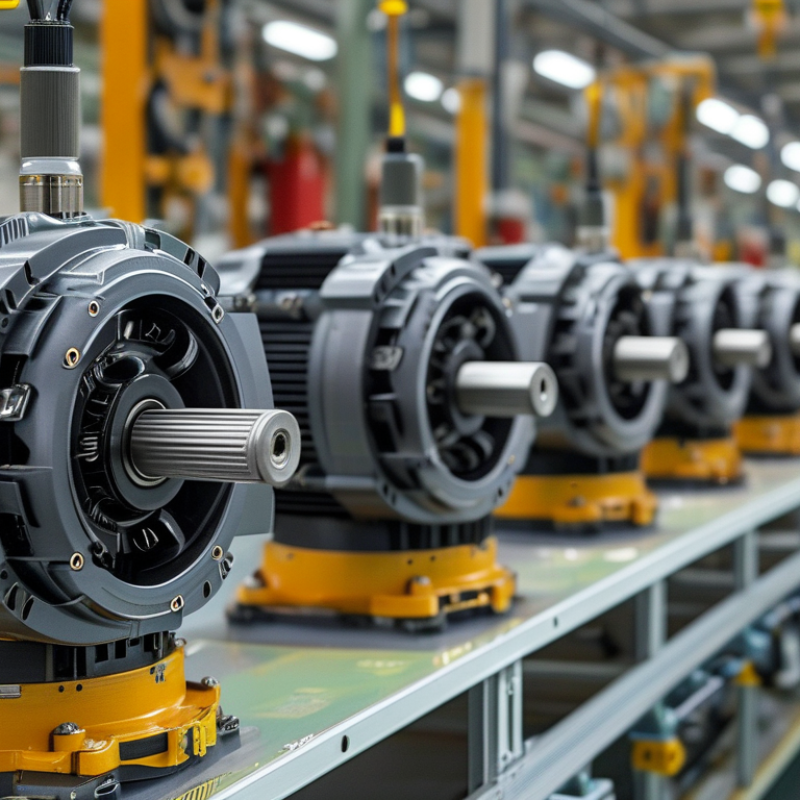
DC motors play a crucial role in the global market due to their
versatility and efficiency. These motors are widely used in applications ranging from automotive to industrial machinery.
Their ability to provide reliable and adjustable speed control makes them a
preferred choice in many sectors. In today's market, the demand for energy-efficient solutions drives innovation in
DC motor technology.
The importance of DC motors extends beyond just performance. They contribute to sustainability efforts by reducing energy consumption.
As industries seek to minimize their carbon footprint, DC motors stand out for their adaptability. Manufacturers can
integrate them into various systems, enhancing overall productivity. However, not all DC motors are created equal. Some
exhibit limitations in durability and efficiency. It's essential for buyers to assess technical specifications and reliability.
Design choices can impact performance. Factors like size and weight can influence
efficiency in different applications. Many users face the challenge of selecting the right motor for their needs. Balancing
power with compact design is often a struggle. Continuous improvements and research are necessary, ensuring these motors
evolve with market demands.
When selecting a DC motor in 2026, buyers should consider various key factors. The operating environment is crucial. Motors exposed to harsh conditions need better sealing and protection. This ensures longevity and reliability. Buyers should also understand the power requirements of their application. Motors need to match the specific voltage and current ratings for optimal performance.
Another vital factor is efficiency. High-efficiency motors save energy and reduce operational costs. It’s important to evaluate the efficiency ratings available in the market. Cost-effectiveness is often overlooked. Balancing upfront costs with long-term savings can be challenging. An initial lower price might hide higher maintenance costs down the line.
Compatibility with existing systems is also essential. A perfect fit ensures seamless integration and reduces unexpected issues. Performance ratings, like speed and torque, should align with project needs. Not all specifications are straightforward, and discrepancies can arise. Investigating thoroughly is necessary for informed choices. Keeping these factors in mind leads to smarter decisions in a competitive market.
In the fast-evolving landscape of DC motors, several designers and manufacturers stand out. They create innovative solutions to meet diverse requirements. These companies leverage cutting-edge technology and unparalleled expertise to deliver reliable products. Their motors serve various industries, including automation, robotics, and automotive sectors.
The most successful manufacturers prioritize energy efficiency and performance. They conduct extensive research to improve motor design and functionality. However, not all designs succeed as intended. Some models may underperform in specific applications, highlighting the need for continuous improvement. Companies must learn from these shortcomings to advance their product lines.
Additionally, global collaboration is essential in this field. Designers and engineers from various regions share insights and ideas, fostering innovation. This exchange of knowledge can lead to groundbreaking developments. Yet, the challenge remains: balancing customization with standardization. Each market has unique demands, and striking that balance can be difficult. Continuous feedback loops between manufacturers and end-users are crucial for refining motor designs.
The evolution of DC motors is fueled by cutting-edge technologies. These advancements are revolutionizing efficiency and performance levels. One notable trend is the integration of smart sensors. These sensors provide real-time data, enhancing motor control and reliability. They enable precise speed adjustment and torque management, leading to improved energy efficiency.
Another significant advancement is the development of high-performance materials. Innovations in magnet and insulation materials are making motors lighter and more durable. This allows for reduced energy consumption and longer lifespans. Manufacturers are exploring new composites to minimize wear and heat generation. Such materials promise to elevate the operational capabilities of DC motors.
Despite rapid innovation, challenges remain. Cost-effective production of these advanced components is crucial. Industry players must address scalability and sustainability. Striking a balance between performance and economic feasibility requires ongoing research. As we look ahead, the focus will remain on creating motors that meet evolving market demands while being environmentally responsible.
As we look toward 2026, the landscape of DC motors is shifting rapidly. Growing demand in renewable energy and electric vehicles is fuelling innovations. Industries are prioritizing efficiency and sustainability, impacting procurement strategies. Buyers are now more educated, seeking advanced solutions that blend performance and cost-effectiveness.
Tip: Consider focusing on suppliers with strong sustainability practices. This can enhance your project’s credibility and appeal.
Predictive analytics is becoming essential in motor selection. Companies are leveraging data to optimize motor performance and lifespan. Real-time insights help buyers adapt to market changes swiftly. However, this shift requires investment in technology and training. Many organizations are still lagging behind in adopting these tools.
Tip: Invest in training on new technologies. Equip your team to make informed decisions based on data.
Performance metrics will evolve as customer expectations increase. Buyers should anticipate a rise in demand for smart motors that provide connectivity and automation. Yet, the challenge lies in integration. Many systems face compatibility issues, leading to inefficiencies. Addressing these gaps will be vital for success in the coming years.
: DC motors are mainly used in automation, robotics, and the automotive sector.
Energy efficiency improves performance and sustainability, making products more appealing to buyers.
Some models may underperform in specific applications, highlighting areas for improvement.
Companies conduct extensive research to enhance motor design and functionality continuously.
The growing demand for renewable energy and electric vehicles is driving innovation.
Focusing on suppliers with strong sustainability practices can enhance a project's appeal.
Predictive analytics is crucial for optimizing motor performance and lifespan.
Compatibility issues often lead to inefficiencies, which need to be addressed.
Investing in training on new technologies is vital for making informed decisions.
A balance between customization and standardization is essential to meet market demands.
The article "Top 10 DC Motors for Global Buyers in 2026" provides a comprehensive overview of DC motors, emphasizing their significance in various global markets. It outlines the essential factors that influence the selection of DC motors in 2026, including efficiency, cost-effectiveness, and adaptability to innovative technologies. As industries continue to evolve, the role of DC motors becomes increasingly critical, driving advancements in automation and electric mobility.
Furthermore, the article delves into key designers and manufacturers of DC motors, highlighting the global competition that shapes the industry landscape. It discusses innovative technologies that are poised to transform DC motor applications, such as increased energy efficiency and smarter control systems. Lastly, it presents insightful market trends and predictions for DC motors in 2026, forecasting a robust growth trajectory driven by ongoing technological advancements and increasing demand across various sectors.
