Precision Micros Precision Micros

What is a Coreless DC Motor and How Does it Work?

Time:2026-07-21 Author:Henry
0%

The Coreless DC Motor has gained popularity in various applications due to its unique design. Unlike traditional motors, it lacks an iron core. This design feature enhances efficiency and reduces weight, making it suitable for portable electronics and robotics.

Understanding how a Coreless DC Motor works is essential. It operates through electromagnetic principles, converting electrical energy into mechanical energy. The absence of a core minimizes magnetic losses, allowing for quicker acceleration and greater responsiveness. Users often appreciate the precision and reliability this motor type offers.

Optimizing your design with a Coreless DC Motor can lead to significant performance improvements. However, the complexity of its construction should not be overlooked. Some may find the limited torque at high speeds challenging. Balancing these factors is key to maximizing the benefits of this innovative motor technology.
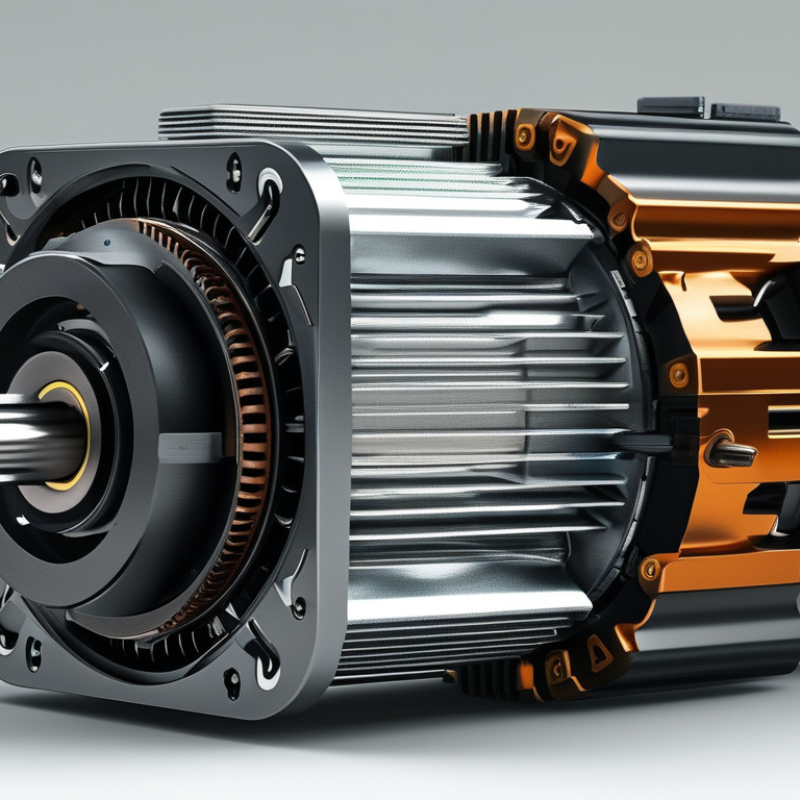
What is a Coreless DC Motor and How Does it Work?

What is a Coreless DC Motor?

A coreless DC motor is a unique type of electric motor. Unlike traditional DC motors, it lacks an iron core in its rotor. This absence makes it lighter and more efficient. The design allows for faster acceleration and deceleration. It’s often used in applications where speed and weight are essential.

The coreless design relies on electromagnetic coils. These coils are wound in a specific way to create a rotating magnetic field. The rotation occurs without the drag of a heavy core. This feature allows for improved responsiveness in various devices. However, coreless DC motors can be more sensitive to heat and external interference. Users must consider these factors when selecting a motor for their projects.

What is a Coreless DC Motor and How Does it Work?

Specification Details
Motor Type Coreless DC Motor
Construction Lacks an iron core
Advantages Reduced weight, High efficiency, Improved responsiveness
Applications Robotics, Drones, Medical devices
Operating Voltage Typically 1.5V to 12V
Torque Range Up to several hundred mNm
Speed Range From a few hundred RPM to over 30,000 RPM

Key Components of Coreless DC Motors

Coreless DC motors are unique due to their design. They lack a traditional iron core, making them lighter and more efficient. The key components include a rotor, stator, and winding. The rotor spins freely, allowing for rapid acceleration and deceleration. The absence of a core reduces energy losses and enhances responsiveness.

The stator in a coreless motor consists of permanent magnets. These magnets create a steady magnetic field. The winding is typically placed around the rotor. This configuration leads to a compact design, which is crucial for applications needing space efficiency. There's also the commutator, which ensures proper current direction.

Despite their advantages, coreless DC motors come with challenges. The open design can lead to reduced torque under certain conditions. Also, manufacturing precision is vital; any misalignment can affect performance. Users must weigh these factors when selecting motors for specific applications.

How Coreless DC Motors Operate

Coreless DC motors offer a unique design that enhances their performance in various applications. They lack a traditional iron core, which makes them lighter and more efficient. This design minimizes cogging torque and improves smooth operation. As a result, these motors can provide quicker responses and better speed control compared to conventional motors.

When it comes to operation, coreless DC motors utilize a winding that is typically arranged in a flat spiral or disc shape. This configuration allows the magnetic field to act directly on the armature windings. Because there is no core, the motor experiences less electromagnetic resistance. Consequently, it operates with higher efficiency. The absence of a heavy core reduces inertia, leading to rapid acceleration and deceleration.

However, it’s essential to acknowledge some drawbacks. The absence of a core may lead to limited power handling. Users might notice that these motors can be more sensitive to overheating. Therefore, careful thermal management is necessary for optimal performance. In practical applications, engineers must weigh these factors to find the best fit for their needs.

Benefits of Using Coreless DC Motors

Coreless DC motors offer several advantages that make them increasingly popular in various applications. One significant benefit is their lightweight design. Without an iron core, these motors have a lower mass, which enhances their efficiency. According to a study by the International Journal of Electrical Engineering & Technology, coreless motors can achieve energy savings of up to 30% compared to traditional motors.

Another key benefit is enhanced responsiveness. Coreless DC motors can accelerate and decelerate rapidly, making them ideal for applications requiring quick adjustments. This characteristic is particularly advantageous in robotics and precision instrumentation. Market research from Research and Markets indicates that the coreless DC motor market is projected to grow by over 15% annually, driven in part by the increasing demand for high-performance motors in automation and robotics.

Furthermore, coreless DC motors generate less electromagnetic interference (EMI), improving their reliability in sensitive applications. This quality is critical in delicate environments, such as medical devices. The reduced friction from the absence of a core also leads to quieter operation, which is a desirable trait in consumer electronics. While coreless motors present numerous advantages, their cost can be higher than that of traditional motors, which may be a barrier for some users. Manufacturers must balance performance requirements with budget constraints when selecting the appropriate motor type.

Applications of Coreless DC Motors in Various Industries

Coreless DC motors offer a unique solution for many industries. Their lightweight design benefits applications where space and weight are critical. In the aerospace sector, these motors power small actuators for controlling flaps and landing gear. Their efficiency is essential for saving energy in flight.

In the medical field, coreless DC motors drive precision instruments like surgical robots and imaging machines. Their compact size allows for integration in delicate devices. Additionally, these motors provide smooth operation for applications in patients’ care equipment. This includes portable pumps and handheld diagnostic tools, crucial in emergencies.

Another area where coreless DC motors excel is in robotics. They enable agile and accurate movements in robotic arms and drones. Companies are constantly pushing the limits of what these motors can achieve. However, designers must ensure they balance performance with durability. While they are efficient, some may experience overheating if not managed properly. Careful design considerations can mitigate these risks, improving reliability in demanding environments.

FAQS

: What is a coreless DC motor?

: A coreless DC motor is a lightweight electric motor without an iron core. This design enhances efficiency and speed.

How do coreless DC motors operate?

They use electromagnetic coils arranged in a flat spiral. This design minimizes resistance and allows rapid acceleration.

What are the main benefits of using coreless DC motors?

They are lighter, more responsive, and create less electromagnetic interference, making them suitable for sensitive applications.

Are coreless DC motors more efficient than traditional motors?

Yes, they can achieve energy savings of up to 30% due to their lighter design and reduced resistance.

What is a potential drawback of coreless DC motors?

They can be sensitive to overheating, which requires careful thermal management to maintain performance.

Why are coreless DC motors ideal for robotics?

Their ability to accelerate and decelerate rapidly makes them perfect for applications requiring quick adjustments and precision.

What is the impact of reduced weight in coreless motors?

Lower weight enhances efficiency and improves responsiveness, which benefits applications needing speed.

Is the cost of coreless DC motors higher compared to traditional motors?

Yes, the cost can be a barrier for some users, and manufacturers must consider budget constraints.

What should users consider when selecting a coreless DC motor?

Users must evaluate power handling limits and thermal management needs based on their specific applications.

In what environments are coreless DC motors particularly advantageous?

They are beneficial in sensitive environments, like medical devices, due to their reduced electromagnetic interference.

Conclusion

A Coreless DC Motor is a type of electric motor that operates without a traditional iron core, resulting in a lightweight and highly efficient design. Its key components include a rotor made from a copper wire winding, allowing for a direct interaction with the magnetic field generated by permanent magnets. This unique construction enables the motor to achieve high angular speeds and quick response times, making it suitable for precision applications.

Coreless DC Motors are widely appreciated for their benefits, such as reduced inertia, high efficiency, and improved thermal performance. These attributes make them ideal for various industries, including robotics, medical devices, and consumer electronics, where compactness and performance are crucial. The innovative design of Coreless DC Motors continues to drive advancements in multiple technological fields.

Henry

Henry

Henry is a dedicated marketing professional with a profound expertise in the company's offerings. With years of experience in the industry, he possesses an impressive understanding of the market dynamics and consumer behaviors that drive success. Henry is committed to sharing his insights through......