Precision Micros Precision Micros

Why Choose the Right Automotive Motor for Your Vehicle?

Time:2026-07-10 Author:Isabella
0%

Choosing the right automotive motor for your vehicle is crucial. It directly affects performance, efficiency, and safety. Industry reports indicate that a suitable automotive motor can enhance fuel efficiency by up to 15%. This not only saves costs but also reduces carbon footprint.

Expert insights reinforce this notion. Dr. Jennifer Lewis, an automotive technology specialist, stated, "Selecting the right automotive motor can make or break your vehicle's reliability." Her perspective is echoed by numerous studies that highlight the relationship between quality motors and vehicle longevity.

A poorly chosen motor could lead to unexpected repairs and increased operational costs. It's essential to evaluate factors like torque, power output, and compatibility. The market is flooded with options, and each choice carries implications. Thus, informed decisions are not just beneficial—they are necessary for every vehicle owner.
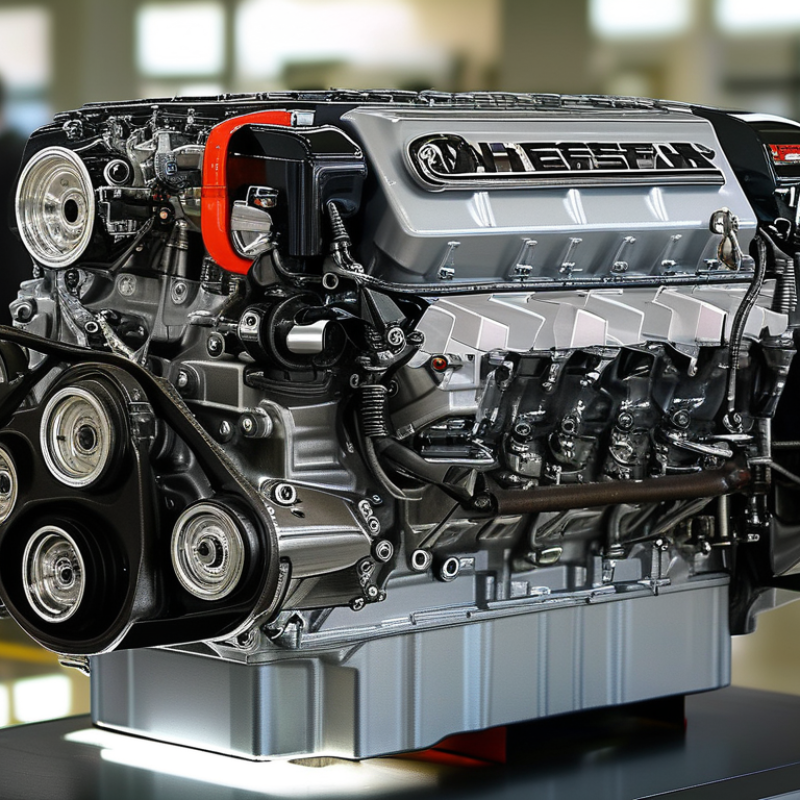
Why Choose the Right Automotive Motor for Your Vehicle?

Understanding the Role of Automotive Motors in Vehicle Performance

Automotive motors are crucial for enhancing vehicle performance. They drive various systems: propulsion, steering, and braking. According to industry reports, electric motors can increase vehicle efficiency by 20-30%. This improvement is significant, especially in electric and hybrid vehicles, where performance directly correlates with motor choice.

Selecting the right motor impacts acceleration and energy usage. For instance, high-torque motors enable quick starts, enhancing the driving experience. However, a match can lead to inefficiencies. For example, using a low-power motor can result in sluggish response and increased wear over time. Interestingly, some studies indicate that inefficient motors contribute to up to 25% more energy consumption in certain vehicle types.

Moreover, the reliability of automotive motors must not be overlooked. Factors like temperature and load affect long-term performance. A report from the Automotive Research Institute highlights that nearly 15% of motor failures stem from overheating. Hence, understanding these variable factors is essential. A vehicle’s intended use should guide motor selection, ensuring both optimal performance and longevity.

Types of Automotive Motors and Their Applications in Vehicles

When it comes to automotive motors, understanding types and their applications is essential. Motors drive various functions in a vehicle, from propulsion to accessory operations. Electric motors, for example, have become increasingly popular. They efficiently power electric vehicles and hybrid systems. These motors convert electrical energy into mechanical energy, providing instant torque and smooth acceleration.

Another common type is the internal combustion engine motor. This motor operates on fuel and air mixtures. It powers most traditional vehicles, offering endurance and reach. However, these engines often lead to higher emissions. There’s growing concern about their environmental impact. Therefore, many manufacturers are seeking alternatives.

Hybrid motors combine both electric and internal combustion technologies. This dual approach aims to optimize efficiency while reducing emissions. Drivers may have questions about performance, lifespan, or energy consumption. These factors must be balanced carefully. There's no one-size-fits-all answer when selecting the right motor. Consider your driving habits and environmental impact. A professional's insight can guide you in finding the best match for your vehicle's needs.

Factors to Consider When Choosing an Automotive Motor

Choosing the right automotive motor is critical for vehicle performance. Understanding various factors can enhance the driving experience significantly. One key factor is the motor's efficiency. Data from the U.S. Department of Energy indicates that electric motors can achieve over 90% efficiency. In contrast, traditional internal combustion engines often achieve only about 20-30% efficiency. This gap is crucial for potential energy savings and reduced emissions.

Another important consideration is the motor's power-to-weight ratio. A lightweight motor can provide the same power output while improving fuel efficiency. According to a 2022 report from the Society of Automotive Engineers, advanced materials can reduce motor weight by as much as 15%. This reduction can enhance vehicle dynamics and overall handling, but it may also raise concerns about durability and longevity.

Finally, compatibility with vehicle systems is non-negligible. A motor must integrate seamlessly with the vehicle's electronic controls and drivetrain. Research from the Automotive Research Association shows compatibility issues can lead to a 10-20% reduction in overall vehicle performance. Thus, careful consideration of these factors ensures not only optimal performance but also reliability, which is vital for long-term vehicle owner satisfaction.

How the Right Motor Can Enhance Fuel Efficiency and Longevity

Choosing the right automotive motor can significantly impact your vehicle's fuel efficiency and longevity. According to the U.S. Department of Energy, efficient motors can enhance vehicle performance, leading to up to 10% fuel savings. An optimal motor reduces strain on the engine, allowing it to operate smoothly.

Fuel efficiency often hinges on motor design. A study by the International Energy Agency (IEA) indicates that electric motors can achieve efficiency levels above 90%, while traditional combustion engines typically range from 20% to 30%. These statistics reveal a clear trend: advanced motors not only consume less fuel but they also produce fewer emissions. This is critical in today's eco-conscious market.

Tips for selecting the right motor: assess your driving habits. Frequent short trips may necessitate a more resilient motor. Additionally, consider the size and weight of your vehicle. A mismatched motor can lead to performance issues. Ignoring maintenance can significantly shorten the motor's lifespan. Stay informed about technological advances in this field to ensure you are making the best choice. Balancing efficiency with the right motor type can enhance both fuel economy and the resilience of your vehicle.

Common Mistakes to Avoid When Selecting Automotive Motors

Choosing the right automotive motor can be challenging. Many people make common mistakes that could affect vehicle performance. A study by the Society of Automotive Engineers found that 45% of automotive failures are linked to incorrect motor selection. Understanding your vehicle's requirements is crucial.

One pitfall is overlooking motor specifications. Each vehicle type demands specific torque and power ratings. Ignoring these can result in poor vehicle performance or motor burnout. Ensure you analyze your vehicle's weight, load capacity, and intended use. This knowledge is essential before making a decision.

Tips: Always consult your vehicle’s manual for motor specifications. If in doubt, consult an automotive expert. They can provide critical insights tailored to your vehicle's needs. Many forget to consider environmental factors. Motors operating in extreme temperatures may need specific ratings. Adjusting for climate can help in avoiding long-term damage or inefficiencies. Make informed decisions to ensure reliability and longevity of your vehicle.

FAQS

: Why are automotive motors important for vehicle performance?

: Automotive motors enhance vehicle performance by driving systems like propulsion, steering, and braking. They impact efficiency significantly.

How do electric motors improve vehicle efficiency?

Electric motors can improve vehicle efficiency by 20-30%. This is especially beneficial for electric and hybrid vehicles.

What happens if the wrong motor is selected?

Selecting the wrong motor can lead to sluggish response and increased wear. It may result in inefficiencies and poor performance.

What percentage of energy consumption can inefficient motors contribute?

Inefficient motors can contribute to up to 25% more energy consumption in certain vehicles. This is a critical factor to consider.

How do temperature and load affect motor performance?

Temperature and load can greatly impact long-term motor performance. Overheating leads to motor failures, comprising nearly 15% of issues.

What common mistakes should be avoided when selecting a motor?

Overlooking motor specifications and vehicle requirements can lead to poor performance. Analyze weight, load capacity, and intended use carefully.

Is it necessary to consult an expert when choosing a motor?

Yes, consulting an automotive expert can provide valuable insights. Their guidance helps ensure the right motor choice for your needs.

How can environmental factors influence motor selection?

Motors operating in extreme temperatures need specific ratings. Adjusting for environmental factors helps prevent long-term damage.

What should be done to ensure motor reliability?

Consult the vehicle’s manual for specifications. Understanding requirements is critical for the reliability and longevity of the motor.

How does motor choice impact acceleration?

High-torque motors enable quicker starts, improving the driving experience. Mismatches in power ratings can diminish vehicle acceleration.

Conclusion

Choosing the right automotive motor is crucial for optimizing vehicle performance and efficiency. Understanding the role of automotive motors helps in appreciating how they impact various aspects such as acceleration, torque, and overall driving experience. There are several types of automotive motors, each tailored for specific applications in vehicles, and selecting the appropriate one can enhance not only fuel efficiency but also the longevity of the vehicle.

When selecting an automotive motor, it is important to consider factors such as compatibility, power requirements, and operational efficiency. Common mistakes, such as overlooking these critical aspects or sticking to outdated models, can lead to subpar performance. By making informed decisions, vehicle owners can ensure that they choose the most suitable automotive motor, ultimately leading to a smoother and more efficient driving experience.

Isabella

Isabella

Isabella is a dedicated marketing professional with a sharp focus on driving brand growth and engagement through strategic content creation. With an extensive background in digital marketing, she combines her passion for storytelling with her keen understanding of industry trends to deliver......