Precision Micros Precision Micros

How to Choose the Right AC Motors for Your Business Needs?

Time:2026-08-15 Author:Amelia
0%

Choosing the right AC motors for your business needs can be challenging. Many factors influence this decision. Understanding your specific requirements is crucial.

AC motors are vital for various applications. They drive equipment in manufacturing, HVAC systems, and more. Their efficiency and reliability impact productivity significantly. However, not all AC motors are created equal. Factors like size, power requirements, and environmental conditions play a key role in determining the best fit.

Take time to analyze the demands of your operations. Consider the characteristics of different AC motors on the market. This is where expert guidance can be invaluable. Missteps in selection can lead to performance issues. Investing in the right AC motors will pay off in the long run. Your choice should reflect both your current needs and future scalability.
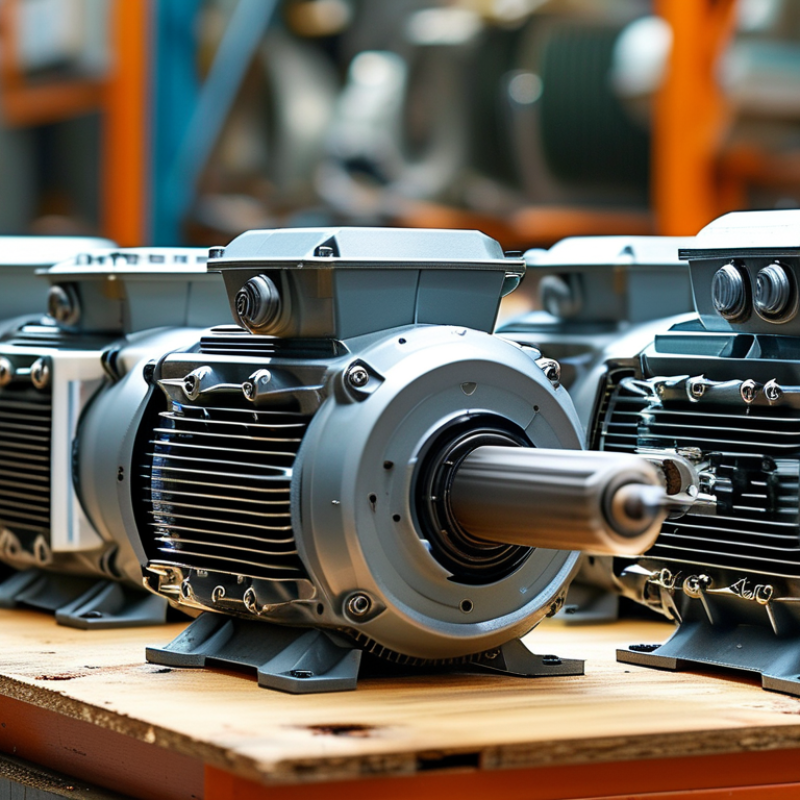
How to Choose the Right AC Motors for Your Business Needs?

Understanding Different Types of AC Motors Available in the Market

When selecting an AC motor, it's crucial to understand the various types available in the market. Common types include induction motors, synchronous motors, and universal motors. According to a report by Markets and Markets, the global AC motor market is projected to reach $75 billion by 2026, indicating strong growth and innovation.

Induction motors dominate the market, accounting for approximately 60% of total sales. They are valued for their reliability and efficiency in industrial applications. These motors are often designed with simple construction, which reduces overall maintenance needs. However, their inability to operate at synchronous speed can limit their effectiveness in specific high-precision tasks.

Synchronous motors, while less common, are known for their high efficiency and precise speed control. These motors work at a constant speed, ideal for applications requiring accuracy. Despite their benefits, they tend to have higher initial costs and complex control systems, which can deter some businesses. Choosing the right motor means balancing efficiency, cost, and operational requirements, a challenge many face today.

Evaluating the Key Specifications and Features of AC Motors

When selecting AC motors for your business, understanding specifications is crucial. You should examine the motor's power rating. This number indicates how much energy the motor can handle efficiently. It directly impacts performance. Higher power ratings are essential for heavy-duty applications. However, overestimating needs can lead to higher energy costs.

Another feature to consider is the motor's efficiency. More efficient motors can reduce operational costs. Look for motors with higher efficiency ratings. They provide better performance with lower energy consumption. Consider the operating environment as well. Not all motors are suitable for harsh conditions. Some may require additional protection against dust and moisture.

Finally, pay attention to the speed regulation of the motor. Different applications may need specific speed control. Variable speed motors add flexibility but may increase initial costs. It is essential to evaluate your long-term needs against immediate expenses. Achieving the right balance can be challenging. Make sure to assess each specification carefully.

How to Choose the Right AC Motors for Your Business Needs?

Motor Type Power Rating (HP) Voltage (V) Efficiency (%) Frame Size Speed (RPM) Application
Induction Motor 5 230 90 184T 1800 Pumps
Synchronous Motor 10 400 95 213T 1200 Compressors
Permanent Magnet Motor 2 460 92 56C 3000 Fans
Capacitor Start Motor 1 120 85 48Y 3600 Small Tools

Identifying Your Business Requirements and Application Needs

Choosing the right AC motors for your business is crucial. Start by identifying your specific business requirements. Consider the scale of your operations. Are you running small equipment or large industrial machines? Understanding these needs helps narrow your options.

Pay attention to the application needs as well. Different motors serve different purposes. Some may need high torque, while others require precision control. Look into the environmental factors as well. Is the location dusty or humid? Motors in harsh conditions may need special features.

Tips: Define your workload and performance criteria early. This can save time later. Consider energy efficiency as well. Higher efficiency often leads to lower long-term costs. Consult with experts to understand the specifications you truly need. Balancing these requirements is a decision worth reflecting on.

Comparing Energy Efficiency and Cost-Effectiveness of AC Motors

When selecting AC motors for your business, energy efficiency and cost-effectiveness are crucial factors. According to the U.S. Department of Energy, energy-efficient AC motors can save up to 40% in energy costs compared to standard models over their lifespan. This is significant for businesses aiming to reduce operational expenses.

Energy efficiency is typically measured by the motor's efficiency rating. A higher rating often indicates a lower operating cost. However, the initial price of high-efficiency motors can be higher. The cost-benefit analysis may vary based on usage patterns and energy prices. An analysis by the Electric Power Research Institute shows that, in many cases, the payback period for the higher upfront cost can be less than two years.

Relying solely on upfront costs can be misleading. Sometimes, cheaper motors may result in more downtime and higher maintenance costs. According to industry reports, about 30% of operating costs can come from unforeseen repairs and inefficiencies in poorly optimized systems. It’s essential to balance performance, reliability, and cost when making your choice. In some cases, investing in a more reliable, energy-efficient motor can lead to long-term savings and a more sustainable business operation.

Consulting with Experts or Manufacturers for Informed Decisions

Choosing the right AC motors is vital for optimizing business operations. Consultation with industry experts or manufacturers can significantly enhance this decision. According to a recent industry report, over 70% of companies that consult experts achieve better efficiency with their motor selections. Using expert advice can reduce errors that lead to costly downtime.

Experts can provide insights into motor specifications. This knowledge ensures that businesses avoid common pitfalls. Many manufacturers offer detailed data on motor performance, which can vary widely. A miscalculated horsepower requirement can lead to underperformance or excess energy consumption. It's essential to request detailed comparisons based on real-world applications.

Moreover, engaging with manufacturers allows businesses to understand the latest technologies. Not all motors are created equal. Some innovations can improve energy efficiency by more than 30%. However, without proper guidance, businesses may select outdated models. Consulting can bridge this knowledge gap, leading to improved operational efficiency and reduced energy costs.

AC Motor Types vs. Application Suitability

FAQS

: How much can energy-efficient

C motors save on energy costs?

What does the motor's efficiency rating indicate?

A higher rating often means lower operating costs and better energy efficiency.

Are higher efficiency motors always more cost-effective?

Not necessarily. Initial costs can be higher, but savings may follow in the long term.

What is the payback period for high-efficiency motors?

It can be less than two years, depending on usage patterns and energy prices.

What percentage of operational costs can unforeseen repairs account for?

About 30% can come from repairs and inefficiencies in poorly optimized systems.

Why is consulting with experts important?

Over 70% of companies consulting experts achieve better efficiency in their motor selections.

How can expert consultations help businesses?

They provide insights into motor specifications, preventing costly miscalculations.

What should businesses inquire about when selecting motors?

Request detailed comparisons based on real-world applications for accurate performance assessments.

What benefits do newer motor technologies offer?

Some innovations can improve energy efficiency by over 30%.

What can happen if businesses choose outdated models?

They may miss out on potential energy savings and operational improvements.

Conclusion

Choosing the right AC motors for your business is crucial for optimizing performance and efficiency. To start, it's essential to understand the different types of AC motors available in the market, each designed for specific applications and environments. Evaluating key specifications—such as torque, speed, and voltage requirements—can help you determine which motor best meets your operational needs.

Additionally, identifying your unique business requirements is vital. Consider factors like energy efficiency and cost-effectiveness, as these can significantly impact overall operational costs. Consulting with experts or manufacturers can provide valuable insights, enabling you to make informed decisions that align with your business goals. By taking these steps, you can select AC motors that enhance productivity and drive success in your organization.

Amelia

Amelia

Amelia is a seasoned marketing professional with a wealth of expertise in our company’s core offerings. With an unwavering passion for driving growth and innovation, she plays a pivotal role in shaping our marketing strategies and enhancing brand visibility. A key aspect of her responsibilities......