Precision Micros
Choosing the best Synchronous Motors in 2026 requires more than comparing brochures or rated efficiency. Engineers must match each motor with the real operating environment, load profile, control system, and maintenance capability. A motor that performs well in a laboratory may struggle beside a dusty conveyor or a frequently cycling compressor. Small details matter, including starting torque, power factor, speed stability, cooling method, enclosure rating, and available service support.
This guide examines Synchronous Motors through practical engineering decisions. It considers permanent magnet and wound-field designs, variable-speed drives, energy performance, installation space, and lifecycle cost. Reliable selection begins with verified data from manufacturers, recognized testing procedures, and applicable IEC or NEMA documentation. However, published efficiency figures should not be accepted blindly. Actual results depend on loading, harmonics, ambient temperature, alignment, and operator practices. Field experience often exposes these differences.
No selection method is perfect.
A careful buyer should also study failure records, spare-part availability, warranty terms, and technician training. A lower purchase price can become expensive when a specialized rotor waits weeks for repair. Conversely, a premium motor may be unnecessary for a lightly loaded application. This discussion aims to provide a balanced framework for comparing performance, reliability, and long-term value. Some recommendations will remain conditional, because every facility has different constraints. That uncertainty deserves attention, not concealment.
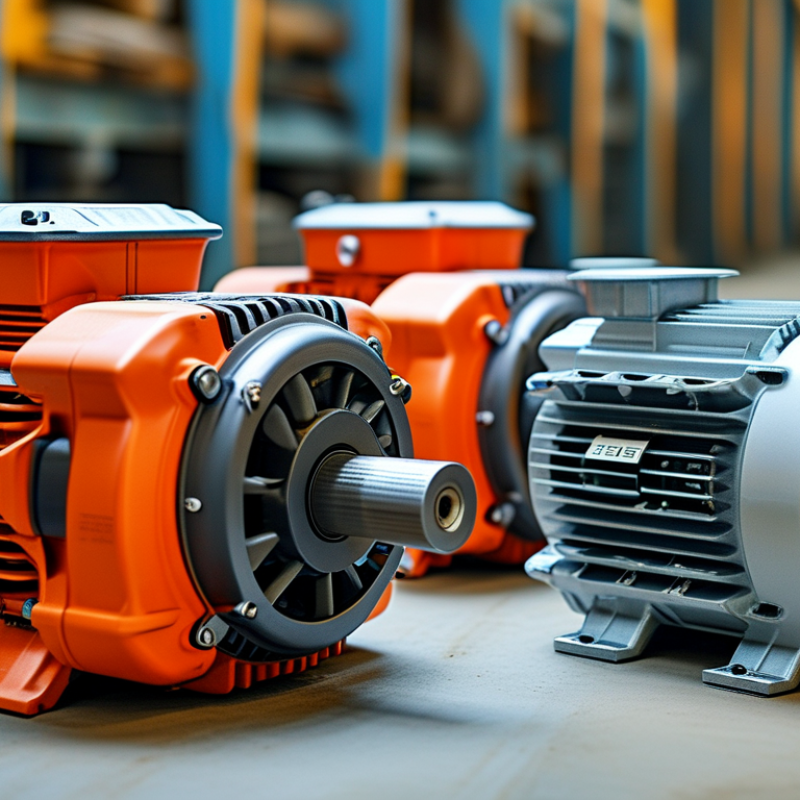
Choosing the best synchronous motor in 2026 starts with its rotor design and operating principle. A three-phase stator creates a rotating magnetic field. The rotor follows this field at synchronous speed, without normal slip. Speed depends on supply frequency and pole count. The formula is Ns = 120f/P. Simple, but site conditions complicate it.
Wound-field motors use controllable direct-current excitation. They suit large, steady loads and can improve power factor. Permanent-magnet synchronous motors use embedded magnets. They offer high efficiency and compact torque, but excessive heat may weaken the magnets. Synchronous reluctance motors use rotor flux barriers. They avoid rotor magnets, although acoustic noise and control quality require attention. Each type has tradeoffs.
During commissioning, I check load torque, starts per hour, ambient temperature, enclosure, and maintenance access. A motor sized only by rated kilowatts may fail during acceleration. Starting method matters. An inverter provides controlled acceleration, while damper windings can support direct starting in selected applications. Request efficiency maps, pull-out torque, insulation class, and verified test data. Digital monitoring adds useful evidence, especially for temperature and vibration. I once underestimated short cycling; current stayed acceptable, yet the motor overheated. That mistake changed my checklist. Selection should follow measured duty, not catalog optimism.
Choosing a synchronous motor in 2026 starts with a clear performance definition, not a catalog search. Record the driven load, operating cycle, speed range, and available supply before comparing motor ratings. A conveyor needing steady torque differs from a pump facing frequent starts. Measure the real load. Include acceleration torque, friction, and temporary overloads. In field assessments, engineers often find that average load hides short, demanding peaks. Those peaks can determine the motor frame size and drive requirements.
Set measurable targets for speed accuracy, power factor, efficiency, noise, vibration, and thermal rise. For example, a packaging line may require 1,500 rpm with minimal variation during knife engagement. A high-inertia fan may need a longer acceleration period to avoid current stress. Define the duty cycle in minutes, including starts per hour and idle intervals. Ambient temperature matters. Dust, moisture, altitude, and restricted ventilation can reduce practical output. Use test data, applicable standards, and commissioning records to verify performance claims. Do not rely on brochure efficiency alone.
Check whether the motor and drive can communicate with existing protection, monitoring, and control systems. Specify bearing life, insulation class, enclosure protection, and maintenance access before approval. A motor that fits electrically may still fail operationally if technicians cannot inspect it safely. I have seen projects overstate precision while overlooking poor alignment and loose foundations. That lesson is uncomfortable, but useful. Allow room for doubt. Leave a realistic margin rather than choosing the largest available unit. Oversizing can increase cost, losses, and control difficulty.
Defining Performance Requirements for Your Application
Synchronous speed is determined by supply frequency and the number of motor poles: Ns = 120 × f / P. At 50 Hz, a 4-pole motor runs at 1,500 rpm, while at 60 Hz it runs at 1,800 rpm. Use the chart to match the motor’s pole configuration and rated frequency with the required operating speed before evaluating torque, efficiency, control method, and thermal capacity.
In 2026, efficiency remains the clearest buying signal. The IEA’s Energy Efficiency 2023 report estimates that electric motor systems consume more than 40% of global electricity. A small efficiency gain can therefore reduce operating costs across thousands of running hours. Compare IE3, IE4, and IE5 efficiency levels, but check performance at the actual load. Laboratory ratings can mislead.
Torque and speed deserve equal attention. A high-torque synchronous motor suits conveyors, compressors, and lifting equipment. High-speed models can reduce gearbox size, but they may increase vibration and cooling demands. Select the speed range before choosing the motor.
The U.S. Department of Energy links motor-driven systems with roughly 70% of industrial electricity use. That figure makes control quality impossible to ignore. Variable-speed drives can reduce energy waste during partial-load operation. However, poor tuning may create heat, noise, or unstable acceleration.
Tips: Record load torque at startup, normal operation, and overload. Then compare the motor’s torque curve. Do not choose by horsepower alone. Review power factor, braking needs, encoder feedback, and protection settings. I have seen efficient motors underperform because control parameters were copied from another machine. That mistake is avoidable, but field testing still matters.
How to Choose the Best Synchronous Motors in 2026?
Evaluating Installation, Maintenance, and Environmental Needs
Selecting a synchronous motor should begin with the installation site, not the catalogue. Field commissioning shows that poor shaft alignment creates vibration, heat, and premature bearing wear. Check foundation strength, coupling tolerances, cable routes, and access for lifting equipment. Confirm the starting method and excitation system before ordering. A motor can meet its rated efficiency yet fail when the workshop lacks enough clearance for safe servicing.
Maintenance planning also affects the best choice. Request temperature sensors, vibration monitoring, accessible grease points, and clear inspection covers. Review the insulation class and expected duty cycle with a qualified engineer. Dust, moisture, salt, and chemical vapour can change enclosure requirements. High-altitude sites may need derating because thinner air reduces cooling performance. Small details matter.
Tips: Measure ambient temperature during the hottest operating period. Keep a spare bearing plan. Record vibration readings after commissioning. Do not rely only on factory data. A checklist may still miss an obstructed filter or an undersized cable. I have seen installation teams discover these issues too late. Build maintenance access into the layout, even when space seems expensive. Consider local service skills, spare-part availability, and emergency response time before approving the final motor specification.
| Synchronous Motor Configuration | Typical Best-Fit Applications | Part-Load Efficiency | Installation Requirements | Maintenance Profile | Environmental Suitability | Key Selection Considerations |
|---|---|---|---|---|---|---|
| Permanent-Magnet Synchronous Motor (PMSM) | Variable-speed pumps, fans, compressors, conveyors, robotics, and high-efficiency industrial drives. | High Typically strong at partial load when correctly controlled. |
Requires a compatible variable-frequency drive or inverter. Motor and drive must be matched for voltage, current, feedback, and control method. | No rotor slip rings or brushes. Inspect bearings, cooling paths, cable connections, and encoder or resolver systems where fitted. | Well suited to compact equipment and clean industrial areas. High temperatures can reduce magnet performance and may require thermal protection. | Choose when energy efficiency, compact size, precise speed control, and frequent speed changes are priorities. Consider demagnetization risk and drive compatibility. |
| Synchronous Reluctance Motor (SynRM) | Pumps, fans, air-handling systems, compressors, and other variable-torque loads with long annual operating hours. | High Efficient across a broad operating range with suitable control. |
Requires an inverter-based drive designed for synchronous reluctance control. Proper motor-drive commissioning is important for stable operation. | Rotor has no windings, magnets, brushes, or slip rings. Routine work generally centers on bearings, lubrication, alignment, cooling, and electrical connections. | Suitable for many industrial environments. Protect the drive and motor from conductive dust, moisture, corrosive gases, and excessive vibration. | A practical choice where low rotor losses and reduced maintenance are important. Confirm starting behavior, minimum speed, overload capability, and drive support. |
| Wound-Field Synchronous Motor | Large constant-speed compressors, high-power pumps, mills, crushers, and applications requiring adjustable power factor. | High Can maintain high efficiency at large ratings when properly excited. |
May require an excitation system, starting method, protection equipment, and additional control wiring. Floor space and commissioning effort are usually higher. | Requires inspection of the excitation system, field circuit, brushes or brushless exciter where applicable, bearings, cooling equipment, and protection systems. | Suitable for heavy-duty industrial installations when enclosure, cooling, and insulation are correctly specified. Moisture and contamination control are important. | Select for high-power operation, power-factor correction, or applications needing controlled reactive power. Evaluate total installed cost and excitation-system reliability. |
| Line-Start Permanent-Magnet Synchronous Motor | Constant-speed pumps, fans, compressors, and equipment that benefits from direct-on-line starting and improved running efficiency. | High Typically efficient near rated speed and load. |
Can start directly from the supply when designed for line starting, although application limits and starting frequency must be checked. A drive may still be used for speed control. | Limited rotor maintenance because there are no brushes or field windings. Inspect bearings, insulation, cooling, and starting components. | Appropriate for standard industrial locations with suitable ingress protection and thermal management. Avoid operation outside the specified temperature range. | Useful when direct-on-line starting is required but efficiency must be higher than a conventional induction motor. Verify starting torque, locked-rotor current, and restart limits. |
| High-Speed Synchronous Motor | Turbo-compressors, high-speed pumps, expanders, test systems, and specialized process equipment. | High Efficient at the designed operating point, but losses rise quickly outside the intended range. |
May require a high-speed inverter, precision balancing, specialized couplings, advanced monitoring, and carefully engineered cooling. | Requires strict bearing, vibration, rotor-balance, cooling, and protection-system monitoring. Maintenance intervals depend heavily on speed and load profile. | Best for controlled environments. Dust, liquid ingress, misalignment, resonance, and poor ventilation can significantly reduce reliability. | Choose only after confirming critical speeds, torsional behavior, overspeed protection, noise limits, and the availability of qualified service personnel. |
| Low-Speed Direct-Drive Synchronous Motor | Large conveyors, winders, mixers, hoists, slow-speed compressors, and equipment where a gearbox can be eliminated. | Medium to High System efficiency can improve by removing gearbox losses. |
Often requires a dedicated variable-speed drive, a large motor frame, high starting torque, strong foundations, and careful shaft or coupling alignment. | No gearbox maintenance when used as a direct drive. Inspect bearings, rotor position feedback, cooling system, foundation bolts, and alignment. | Can be designed for harsh industrial areas, but the large frame and cooling system require protection from dust, water, corrosive agents, and vibration. | Consider when gearbox maintenance, backlash, or mechanical losses are major concerns. Compare motor cost, footprint, spare-parts strategy, and drive availability. |
| Explosion-Protected Synchronous Motor System | Selected equipment in hazardous areas such as chemical processing, fuel handling, wastewater treatment, and certain mining operations. | Application-dependent Efficiency must be evaluated together with the certified enclosure and cooling arrangement. |
Requires a motor, cable system, glands, drive, and protection method suitable for the classified hazardous area. Installation must follow applicable local codes and certification requirements. | Inspection and servicing must preserve the certified protection method. Keep flame paths, enclosure joints, cable entries, cooling passages, and protective devices in approved condition. | Designed for specified gas, vapor, dust, temperature, and ingress conditions. The exact area classification and temperature class must be confirmed before selection. | Do not select by motor efficiency alone. Verify hazardous-area classification, certification, surface temperature, fault protection, maintenance procedures, and local regulatory compliance. |
The lowest purchase price rarely delivers the lowest lifetime cost. The IEA reports that electric motor systems consume roughly half of global electricity, making efficiency a major operating expense. For synchronous motors, compare efficiency at the actual load point, not only the nameplate rating. A motor running continuously at 75% load may save more than a cheaper unit with a lower efficiency class. Include installation, controls, cooling, power quality, and expected operating hours in the total cost of ownership.
Reliability also affects lifecycle value. Review bearing design, insulation temperature limits, enclosure protection, starting frequency, and maintenance access. IEC 60034-30-1 provides a useful framework for comparing motor efficiency classes, while U.S. Department of Energy guidance highlights motor-driven systems as a major share of industrial electricity use. Field engineers often find that poor alignment, overheating, and harmonic distortion cause more downtime than the motor design itself. A perfect spreadsheet can still mislead. Check the real duty cycle and site conditions.
Tips: Request measured efficiency data at several loads. Calculate energy cost over 10 to 15 years. Ask for documented mean time between failures, spare-part availability, and service procedures. Test vibration after installation. Do not ignore the inverter or power factor correction equipment; it can change both losses and reliability. The cheapest package may become expensive when commissioning takes longer than planned.
A three-phase stator creates a rotating magnetic field. The rotor follows it without normal slip. Speed follows the formula Ns = 120f/P.
Wound-field motors suit large, steady loads. Direct-current excitation allows power-factor adjustment. The excitation system needs proper inspection access.
Permanent magnets provide high efficiency and compact torque. Excessive heat can weaken the magnets. Cooling details matter more than brochures suggest.
It uses rotor flux barriers instead of magnets. This can reduce magnet-related concerns. Acoustic noise and control quality still require attention.
Check load torque, starts per hour, ambient temperature, and enclosure requirements. Rated kilowatts alone may not support acceleration. That shortcut can fail.
An inverter provides controlled acceleration. Damper windings may support direct starting in selected applications. Confirm the method before ordering.
Check shaft alignment, foundation strength, coupling tolerances, and cable routes. Leave space for lifting and servicing. A crowded layout becomes expensive.
Dust, moisture, salt, and chemical vapour may require stronger enclosure protection. High-altitude sites may need derating. Thin air reduces cooling performance.
Compare efficiency at the actual load point, not only the nameplate rating. Include controls, cooling, installation, and operating hours. The cheapest package may cost more later.
Request efficiency data at several loads, pull-out torque, insulation class, and verified test results. Review vibration and temperature monitoring options. Factory data is useful, but incomplete.
Choosing the best Synchronous Motors in 2026 begins with understanding how different motor types operate and how their magnetic fields deliver precise, efficient performance. Start by defining your application’s requirements, including load profile, torque, operating speed, duty cycle, energy consumption, and control accuracy. Compare available options based on efficiency, starting performance, torque stability, speed regulation, and compatibility with modern control systems. The right choice should match both current operating conditions and future performance expectations.
Installation and maintenance needs are equally important. Consider available space, cooling requirements, noise levels, environmental conditions, protection ratings, and ease of servicing. A motor designed for demanding temperatures, dust, moisture, or continuous operation may provide greater reliability over time. Finally, evaluate the complete lifecycle value rather than focusing only on the purchase price. A well-selected motor can reduce energy costs, downtime, maintenance work, and replacement risks, delivering dependable performance and a stronger long-term return for industrial and commercial applications.