Precision Micros
Choosing the right industrial motors is crucial for optimizing efficiency in manufacturing. Recent reports, such as the 2022 "Global Industrial Motors Market" analysis, identified a significant growth rate of 6.8% annually. This highlights the increasing demand for tailored motor solutions across various sectors. Experts emphasize the importance of understanding your specific requirements.
Dr. Emily Hart, a leading authority in industrial automation, states, "Selecting the right industrial motors can lead to drastic improvements in energy efficiency." Her insights remind us that motor selection is not merely about power but also about performance. Different applications mandate varied motor types and specifications.
As industries evolve, so do the complexities associated with industrial motors. Identifying the optimal choice can be overwhelming. Mistakes in selection can result in inefficiencies and increased costs. Careful consideration must also factor in maintenance, lifespan, and compatibility with existing systems. Remember, the right motor can transform your operations.
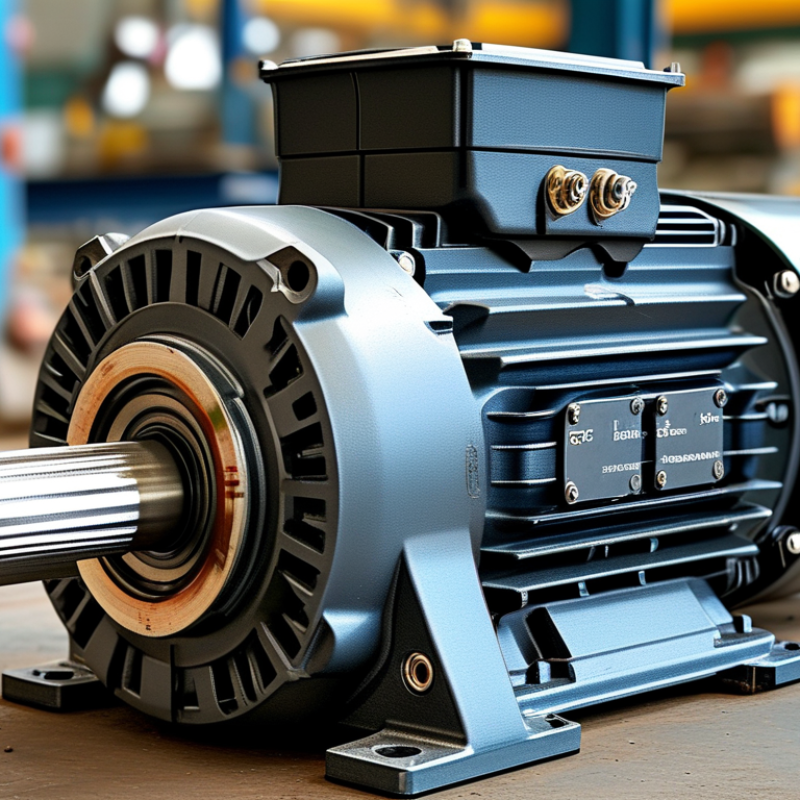
When selecting industrial motors, understanding the different types is crucial. AC motors, for instance, are widely used in various applications, from fans to conveyors. They are known for their durability and efficiency. A report from Grand View Research highlights that the global AC motor market is expected to reach $78.3 billion by 2025. This growth signals a strong demand across multiple industries.
DC motors, on the other hand, offer precise speed control. They are often used in applications like robotics and electric vehicles. However, DC motors can be more complex to maintain due to their brushes. According to a recent analysis by Research And Markets, the DC motor market is projected to expand at a CAGR of 4.8% through 2026. This reflects a growing interest in applications requiring high precision.
Choosing between these motor types often leads to a dilemma. Considerations include performance needs and maintenance capabilities. Factors like power supply, load requirements, and environmental conditions should influence your choice. While some motors may offer high efficiency, they might not fit every environment. Evaluating the application purpose is key too.
Assessing the power requirements for your industrial motor is crucial for optimal performance. Start by understanding the load your motor will handle. Calculate the total weight of the equipment and materials involved. This insight helps in choosing a motor that can sustain operational demands. Factors like acceleration and deceleration times also matter. A motor with insufficient power can hinder production efficiency.
Consider the operational environment when assessing power needs. High temperatures or humidity can impact performance. Some motors may require extra power to compensate for these conditions. Additionally, think about future scalability. Will your operations expand? Opting for a slightly more powerful motor now could save you from costly upgrades later.
Do not overlook energy efficiency. A more powerful motor doesn't always mean better output. Evaluate the energy consumption rates of potential motors. Sometimes, a less powerful motor paired with the right gear system can outperform a high-power model. Always reflect on the trade-offs between initial costs and long-term operational expenses. Balancing these factors will lead to smarter choices in motor selection.
When selecting industrial motors, efficiency ratings are crucial. They determine not only energy consumption but also overall performance. According to the Department of Energy (DOE), motors consume approximately 70% of industrial electricity. Choosing a motor with a high efficiency rating can reduce energy usage by 2-8%, translating into significant cost savings over time.
Performance standards are equally important. The National Electrical Manufacturers Association (NEMA) sets guidelines for motor efficiency. NEMA Premium motors surpass standard efficiencies, offering better performance and longer service life. Selecting a motor that meets or exceeds these standards ensures that your processes run smoothly and economically.
Tips: Always check the efficiency label. Look for NEMA ratings; they reflect energy performance accurately. Research potential environmental impacts of your choices. Consider how motor selection affects your carbon footprint. Reflecting on these aspects can lead to more sustainable operational decisions.
When selecting industrial motors, environmental conditions and technical specifications are pivotal. The conditions in which motors operate significantly impact their performance and lifespan. For example, motors used in humid environments require specific materials to prevent corrosion. According to a report by the International Electrotechnical Commission, nearly 30% of motor failures are attributed to environmental factors.
Technical specifications, such as torque and speed, must align with application requirements. Understanding your specific needs is vital. For instance, a motor with high starting torque is necessary for heavy machinery but may not suit light-duty applications. The same report highlights that improper motor selection can reduce efficiency by up to 40%. This inefficiency not only increases operational costs but can also lead to equipment wear.
Awareness of local regulations regarding emissions and energy consumption is critical. Complying with these can significantly influence motor choices. Data suggests that industries that prioritize energy-efficient motors can reduce their carbon footprint by over 25%. This proactive approach is essential for sustainability. However, many companies overlook these considerations. They often choose motors solely based on price, leading to long-term dissatisfaction. Balancing cost with quality and suitability remains a challenge.
When selecting industrial motors, budgeting is crucial. Initial purchase prices are often just the tip of the iceberg. Long-term costs, including energy consumption and maintenance, can add significantly to your bottom line. For example, a slightly more expensive motor might offer higher efficiency, reducing energy costs over its lifetime. This trade-off needs careful consideration.
It's also essential to factor in potential downtime. A motor failure can lead to costly delays. Investing in reliable, high-quality motors may seem more expensive upfront, but it often pays off through lower repair rates and decreased operational disruptions. Training staff to properly maintain motors can further mitigate long-term expenses.
Moreover, each industry faces unique challenges. What works for one operation might not suit another. This is an area ripe for reflection. Understanding your specific needs will guide better decisions. Weighing the immediate costs against future implications can refine your motor selection process. Balancing short-term savings with long-term stability is a vital part of this journey.
: Start by calculating the total weight of the equipment and materials. Consider acceleration and deceleration times too.
High temperatures and humidity can affect motor performance. Some motors require extra power to cope with these conditions.
Consider whether your operations may expand. A more powerful motor now could prevent costly upgrades in the future.
A powerful motor isn’t always more efficient. Sometimes, a less powerful motor with the right gear can perform better.
Energy consumption and maintenance costs can significantly affect your budget over time. Higher efficiency may reduce energy costs.
Initial prices are just one part. Long-term costs can add up, affecting your bottom line significantly over time.
Motor failures can lead to costly delays. Investing in reliable motors can reduce repair rates and minimize disruptions.
Different operations have varying needs. Reflecting on your specific requirements can guide better motor decisions.
Proper maintenance can prevent issues and reduce overall expenses. Training staff is an investment in stability.
Weigh initial costs against future operational expenses. Balancing short-term savings with long-term stability is key.
Choosing the right industrial motors for your needs involves a comprehensive understanding of various motor types and their specific applications. It is crucial to assess the power requirements to ensure the selected motor can adequately meet the performance demands of your operation. Additionally, evaluating efficiency ratings and compliance with performance standards can significantly influence operational cost and energy consumption.
Environmental conditions and technical specifications also play a vital role in motor selection, as they determine the suitability and longevity of the motor under specific operational contexts. Lastly, budgeting for industrial motors extends beyond initial purchase costs; understanding long-term cost implications, including maintenance and energy usage, is essential for making an informed choice that aligns with both financial and operational goals.
