Precision Micros
In today's industrial landscape, Three Phase Motors play a vital role in driving productivity and efficiency. These motors are essential for a variety of applications, from manufacturing to HVAC systems. Understanding their different types and specifications is crucial for buyers seeking optimal performance.
Selecting the best motor requires expertise and careful consideration. Factors such as energy efficiency, torque, and durability often come into play. Potential buyers should evaluate these aspects thoroughly to ensure they make informed decisions.
However, the market can be overwhelming. With many options available, buyers may struggle to find reliable sources. This guide aims to simplify the selection process and highlight the best three phase motors available in 2026. It emphasizes quality, performance, and long-term reliability.
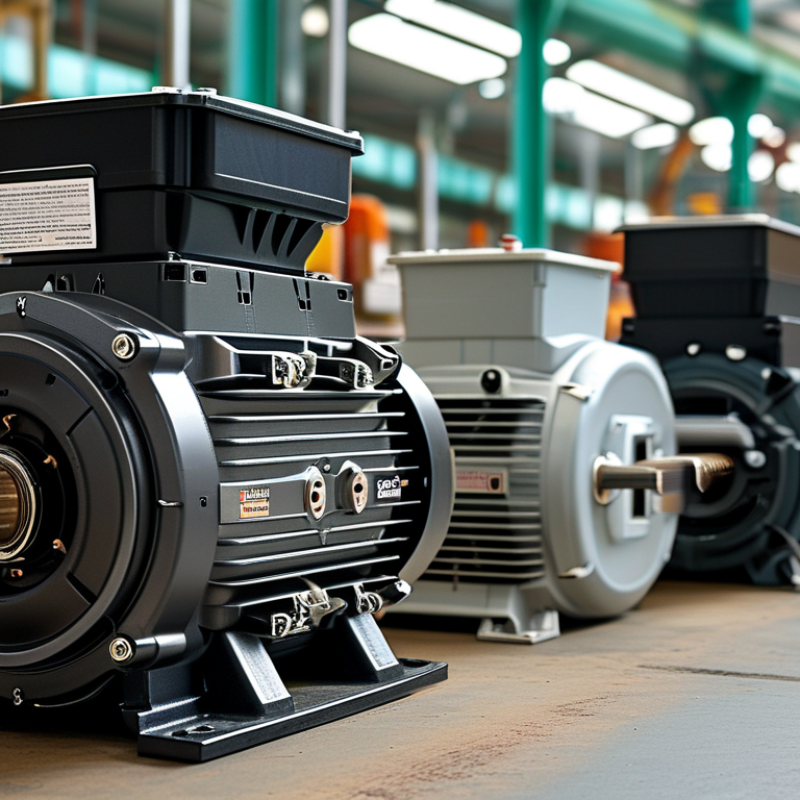
Three-phase motors are vital in various industrial applications. Understanding their components can help buyers make informed choices. These motors provide efficient power conversion and are known for their durability. They operate with three alternating currents, which leads to smoother operation and reduced vibration. This design is particularly useful in heavy machinery and conveyor systems.
When selecting a three-phase motor, consider the operational environment. Temperature and humidity can affect performance. Buyers should also look at power ratings and efficiency classes. An efficient motor can lower operating costs, but initial expenses may be higher. Careful consideration of specifications is crucial for a successful purchase.
Potential buyers must reflect on their specific needs. It’s common to overlook aspects such as installation space and maintenance requirements. Many buyers might prioritize upfront costs over long-term efficiency. This can lead to regrets down the line. Understanding these factors is essential for making a wise investment in three-phase motors.
Choosing the right three-phase motor involves critical considerations in various specifications. Efficiency ratings, for instance, directly impact operational costs. According to the International Electrotechnical Commission, motors account for about 70% of industrial electricity consumption. Selecting a model with high efficiency, typically over 90%, can lead to significant energy savings.
Another key specification is the motor's power factor. A power factor close to one indicates efficient energy usage. Lower power factors can lead to increased electricity costs due to poor energy use. Additionally, consider the service factor. This rating indicates the motor's ability to handle overload conditions. A motor with a higher service factor can handle unexpected demands better, improving its longevity and reliability.
Physical attributes also matter. The enclosure type can affect performance in different environments. For instance, motors in humid or dusty conditions require specific enclosures for protection. Not all motor specifications are equally essential for every application, making it vital to evaluate the actual operating conditions. While technical data provides a solid foundation, the real-world performance often reveals areas needing improvement. Thus, consulting with industry experts can refine decision-making and deliver optimal results.
When exploring three-phase motors, it’s crucial to consider the leading brands and manufacturers that set the industry standards. These companies focus on delivering quality with a commitment to energy efficiency and durability. Their expertise in designing motors for diverse applications helps ensure reliable performance across various sectors. Users can find motors suited for industrial, agricultural, and commercial uses.
Choosing the right manufacturer is essential for optimal performance. Many companies are known for their innovation in motor technology. They continually invest in research and development, which leads to improved efficiency and lower operational costs. However, not all products from these manufacturers are flawless. Some users have reported variations in product quality. Ensuring the right fit for your specific needs requires careful consideration.
It's important to evaluate each brand's reputation in the market. Customer reviews and industry reports can provide insight into their reliability and service after the sale. Additionally, understanding warranty terms and support services can influence your decision. Not every brand excels in all categories, emphasizing the need for thorough research and evaluation.
Three-phase motors play a crucial role in various industries due to their efficiency and reliability. These motors are extensively used in manufacturing processes, where consistent power and torque are necessary. According to a recent report by Allied Market Research, the global three-phase motor market is expected to reach 36.3 billion USD by 2026, reflecting a strong demand across sectors.
In the field of industrial automation, three-phase motors are essential for driving pumps, fans, and compressors. These applications typically require high torque and continuous operation. The mining industry also relies heavily on these motors for equipment like conveyor belts and crushers. As reported by Research and Markets, the mining sector contributes significantly to the global demand, emphasizing the importance of robust motor technology.
Interestingly, not all applications benefit equally from three-phase motors. For example, smaller workshops or residential setups may struggle with initial costs and installation complexities. This often leads to a reliance on single-phase motors, highlighting the need for careful consideration when choosing motor types. The right choice can drastically affect operational efficiency and overall productivity, showcasing the importance of understanding specific industry needs.
| Motor Type | Power Rating (kW) | Efficiency Class | Applications | Industries |
|---|---|---|---|---|
| Squirrel Cage Motor | 5-500 | IE2-IE5 | Pumps, Fans, Conveyors | Manufacturing, Water Treatment |
| Permanent Magnet Motor | 2-100 | IE3-IE5 | Electric Vehicles, Robotics | Automotive, Aerospace |
| Induction Motor | 1-2000 | IE1-IE3 | Compressors, Mixers | Food Processing, Oil & Gas |
| Wound Rotor Motor | 50-3000 | IE2 | Cranes, Hoists | Construction, Mining |
| High Voltage Motor | 200-10000 | IE2-IE4 | Fans, Generators | Power Generation, Petrochemicals |
Maintaining three-phase motors is essential for their longevity and efficiency. Regularly check for signs of wear and tear. Look for unusual noises or vibrations during operation. These can indicate potential issues that might require immediate attention. Dust and debris can accumulate, affecting performance. Ensure the motor is kept clean and well-ventilated.
Lubrication is crucial. Use the correct type and amount of lubricant as specified in the user manual. Over-lubrication can lead to problems just as much as under-lubrication can. Monitor the motor's temperature. An elevated temperature can signify a mechanical problem or insufficient cooling. Additionally, keep an eye on electrical connections. Loose or corroded connections can lead to inefficiencies and hazards.
Training staff on proper usage and care is beneficial. Familiarize them with the operational guidelines. Investing time in understanding these motors pays off. Regular inspections can prevent costly repairs. Reflecting on past maintenance experiences can provide insights. Every minor issue addressed promptly may contribute to the motor's extended lifespan. Enhance diligence in monitoring the motor's performance routinely.
: Focus on efficiency ratings, power factor, and service factor. High efficiency saves energy costs significantly.
A higher power factor indicates efficient energy use. Low power factors can increase electricity bills.
A higher service factor means better handling of overloads, leading to improved reliability and longer lifespan.
Consider the enclosure type based on environmental conditions. Protection from humidity and dust is essential.
Each manufacturer has different strengths. Product quality can vary, impacting overall performance and reliability.
Reviews provide insights into reliability and post-purchase support. This helps inform your decision-making.
These motors are vital in manufacturing, industrial automation, and the mining industry due to their efficiency.
Smaller setups may face high initial costs and installation challenges, making single-phase motors a better alternative.
Technical specifications are vital, but practical performance often highlights areas needing improvement.
Experts can help refine choices, ensuring that the selected motor meets specific operational needs effectively.
Three phase motors are essential components in various industrial applications, offering efficiency and reliability for powering machinery. Understanding these motors involves exploring their key specifications, such as voltage, horsepower, and efficiency ratings, which are crucial for buyers making informed decisions. Additionally, knowing the different brands and manufacturers available in the market can help in selecting high-quality options.
These motors are widely utilized across various industries, including manufacturing, HVAC, and mining, due to their capability to operate under demanding conditions. To maximize the lifespan and performance of three phase motors, implementing regular maintenance practices is critical, which may include checking bearings, ensuring proper lubrication, and monitoring electrical connections. By adhering to these guidelines, users can ensure optimal operation and longevity of their three phase motors.
